In today’s digital marketplace, simply having an online store isn’t enough. With countless options available to consumers, your eCommerce website needs to be more than just a digital catalog; it needs to be a seamless, secure, and persuasive shopping engine designed for one primary goal: converting visitors into loyal customers.
Whether you’re launching a new brand or revamping an existing site, knowing which features are essential can be the difference between a thriving business and a digital ghost town. This guide breaks down the 10 must-have features for any successful eCommerce website, explained in simple terms for business owners and entrepreneurs. Let’s build a foundation for growth.
1. A Mobile-First, Responsive Design
Let’s start with the most critical foundation: how your site looks and works on a phone. Think “Mobile-First” not “Mobile-Friendly.”
What it is: A responsive website automatically adjusts its layout, images, and text to fit any screen size – be it a desktop, a tablet, or a smartphone. A “mobile-first” approach means the site was designed for the mobile experience first, then scaled up for larger screens.
Why it’s a Must-Have: The majority of online shopping traffic now comes from mobile devices. If your site is difficult to navigate on a phone, if buttons are too small, text is unreadable, or the checkout process is clunky, you will lose sales. Google also uses mobile-friendliness as a key ranking factor, meaning a poor mobile experience hurts your visibility in search results.
Key Takeaway: Your customer is on their phone. Your website must provide a flawless shopping experience for them there.

Seamless mobile-first layout of the Laughing Owl Whisky E-Commerce website.
2. Intuitive Site-Wide Search
Shoppers who know what they want will head straight for the search bar. When they do, that search function needs to be a powerful assistant, not a frustrating obstacle.
What it is: This goes beyond a basic keyword matcher. A robust site search includes features like auto-complete (suggesting products as you type), typo tolerance (understanding what you meant to type), and filters for categories, price, and size directly within the search results.
Why it’s a Must-Have: Users who use site search are often further along in the buying process and have a higher intent to purchase. A poor search experience that returns irrelevant results will send them directly to a competitor’s site. A smart search function guides them effortlessly to the exact product they’re looking for, drastically increasing the chance of a sale.
Key Takeaway: Don’t make your customers hunt. A smart search bar is their fastest route to a product and your fastest route to a conversion.

Intuitive auto-suggestions search feature for Alborania Decor & Design E-Commerce website.
3. High-Quality Product Images & Video
Online, customers can’t touch, feel, or try on your products. Your images and videos must bridge this sensory gap.
What it is: Use multiple high-resolution photos from different angles. Implement a zoom feature so users can inspect details. Even better, incorporate 360-degree views or short product demonstration videos. Showing your product “in action” or in a real-life context (lifestyle images) builds confidence.
Why it’s a Must-Have: Humans are visual creatures. Poor, single, or stock-looking images create doubt. High-quality visuals answer customer questions, reduce uncertainty, and make the product feel more tangible. This directly reduces hesitation and lowers return rates.
Key Takeaway: Your product visuals are your salesperson. Invest in making them informative, attractive, and plentiful.


4. Compelling, Scannable Product Descriptions
While images grab attention, the words seal the deal. Product descriptions should be more than just a list of specs copied from the manufacturer.
What it is: Write for your target customer. Focus on the benefits, not just the features. Instead of “Made with 600D polyester,” try “Crafted with durable, weather-resistant fabric to protect your gear on any adventure.” Use bullet points, short paragraphs, and headers to make the text easy to scan.
Why it’s a Must-Have: Good copy connects with the customer emotionally and logically. It explains how the product solves a problem or improves their life. Scannable formatting respects the user’s time and ensures they find the key information they need to make a purchasing decision.
Key Takeaway: Don’t just tell customers what the product is; tell them why they need it.

Compelling product information on Alborania Decor & Design website.
A Streamlined, Guest-Friendly Checkout
The checkout process is the most critical moment of truth. A complicated, lengthy checkout is one of the top reasons for cart abandonment.
What it is: The goal is to get the customer from cart to confirmation in as few steps as possible. Key elements include:
- Guest Checkout: Never force a user to create an account to make a purchase.
- Multiple Payment Options: Offer credit/debit cards, PayPal, and other popular digital wallets like Apple Pay and Google Pay.
- Automatic Address Lookup: Tools that auto-fill addresses after entering a zip/postal code reduce errors and typing.
Why it’s a Must-Have: Every extra click or form field is an opportunity for a customer to change their mind. A streamlined checkout minimises friction and maximises completed purchases.
Key Takeaway: Treat your checkout like a VIP exit lane—make it fast, easy, and obstacle-free.
6. Robust Security & Trust Badges
Customers are rightfully cautious about sharing their personal and financial information online. You must proactively build trust.
What it is: At a minimum, your site must have an SSL certificate, indicated by “HTTPS” in the URL and a padlock icon. This encrypts data between the user’s browser and your server. Furthermore, display trust badges on your site, especially on the checkout page. These can include payment method logos, and guarantees (e.g., “Money-Back Guarantee”).
Why it’s a Must-Have: Without visible signs of security, customers will abandon their cart out of fear. Trust badges act as subtle psychological reassurances that your site is safe and legitimate.
Key Takeaway: Security isn’t just a technical requirement; it’s a marketing tool. Flaunt it to build confidence.
7. Genuine Customer Reviews and Ratings
In a world of digital anonymity, we trust the opinions of other shoppers almost as much as recommendations from friends.
What it is: An integrated system that allows verified customers to leave star ratings and written reviews for the products they’ve purchased.
Why it’s a Must-Have: Social proof is incredibly powerful. Reviews provide unbiased validation, answer specific questions from potential buyers, and significantly improve conversion rates. They also provide you with invaluable feedback on your products. Displaying reviews, both positive and negative (responding professionally to negative reviews builds even more trust), shows that you are transparent and customer-focused.
Key Takeaway: Let your happy customers do the selling for you. Authentic reviews are the most credible marketing you can have.

Product reviews functionality on Laughing Owl Whisky E-Commerce website.
8. A Clear & Generous Return & Refund Policy
A hesitant customer is a customer who doesn’t buy. A clear and fair return policy removes the final barrier to purchase.
What it is: This is a dedicated page that clearly outlines the process, timeframe, and conditions for returning products and receiving refunds or exchanges. Make it easy to find, typically in the main navigation or footer.
Why it’s a Must-Have: A generous return policy reduces the perceived risk of shopping with you. It tells the customer, “We stand by our products, and your satisfaction is guaranteed.” This peace of mind can be the final nudge a shopper needs to click “Add to Cart.”
Key Takeaway: A great return policy is a sales tool that builds trust and reduces pre-purchase anxiety.
9. Seamless Integration with Email Marketing
A one-time customer is good, but a repeat customer is the lifeblood of your business. Email marketing is one of the most effective ways to bring them back.
What it is: Your E-Commerce platform should seamlessly connect with an email marketing service (like Mailchimp, Klaviyo, or Campaign Monitor). This allows you to automatically add customers to mailing lists, send abandoned cart emails (“You left something behind!”), and create targeted campaigns for post-purchase follow-ups, new product announcements, and special offers.
Why it’s a Must-Have: The cost of acquiring a new customer is far higher than retaining an existing one. Email marketing allows you to build a relationship, nurture loyalty, and drive repeat sales on autopilot. An abandoned cart email series alone can recover a significant percentage of lost sales.
Key Takeaway: Don’t let a sale be the end of the relationship. Use email to turn a first-time buyer into a lifelong fan.
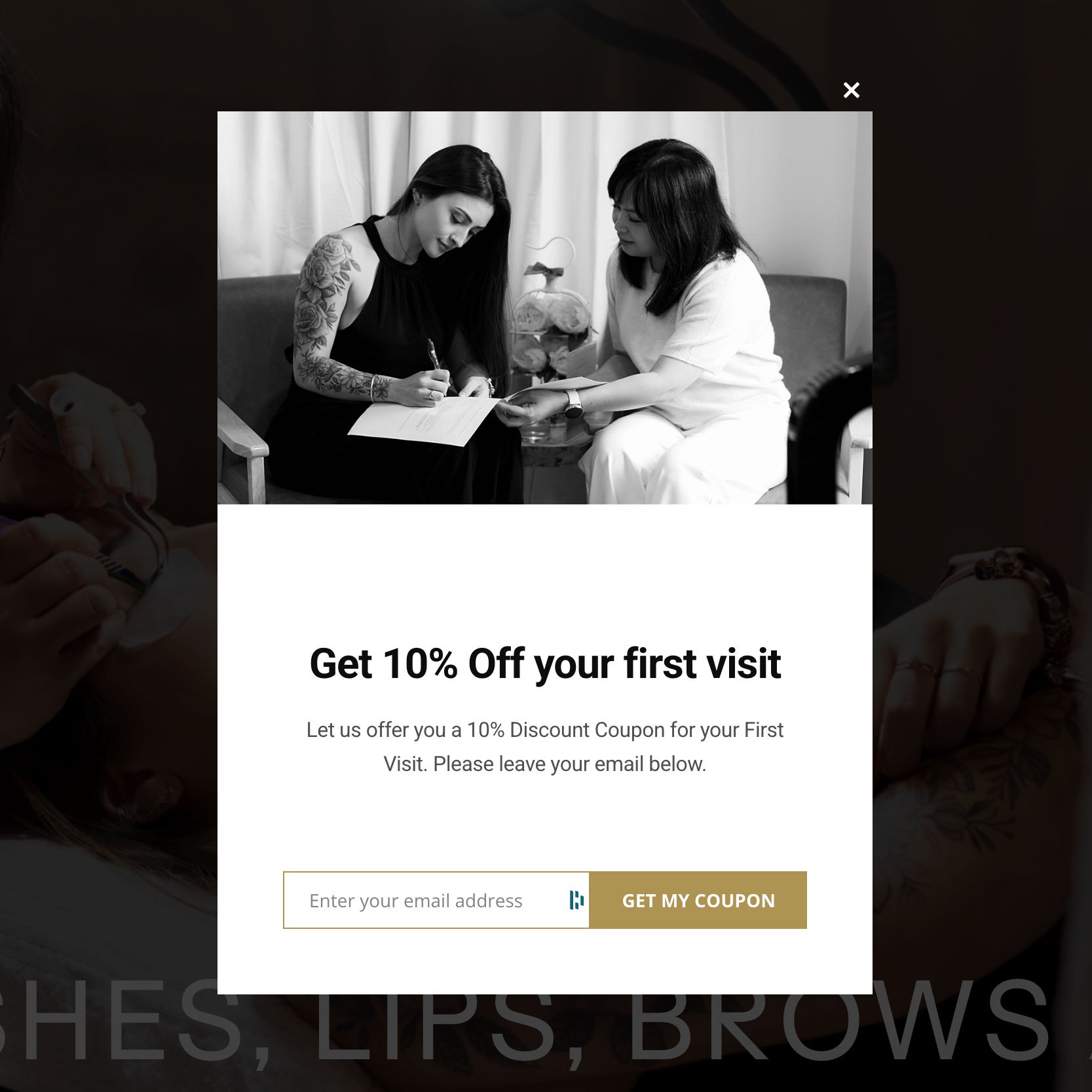
MailChimp email marketing tool on Lily’s Choice website.
10. Fast and Transparent Shipping & Delivery Options
The “when will I get it?” question is a major factor in the online buying decision. Uncertainty here is a conversion killer.
What it is: Be upfront about all shipping costs and delivery timelines. If possible, offer a variety of options, from standard to expedited shipping. A key feature is providing order tracking—as soon as an item ships, the customer should receive a notification with a tracking number so they can follow its journey.
Why it’s a Must-Have: No one likes surprise costs at checkout. Display shipping calculators early or offer free shipping thresholds. Clear communication about delivery manages customer expectations and prevents post-purchase anxiety and frustration, leading to a better overall experience and fewer customer service inquiries.
Key Takeaway: Control the shipping narrative. Be transparent about costs and timelines to build trust and avoid post-purchase dissatisfaction.
Conclusion: Building for Success
Building a successful E-Commerce website is a complex task, but by focusing on these 10 essential features, you create a solid foundation for growth. Remember, your website is your hardest-working employee. It should work 24/7 to provide a secure, enjoyable, and efficient experience that not only makes a sale today but also earns a customer for life.
By prioritising the user experience from the first click to the final delivery, you transform your online store from a simple transactional platform into a trusted destination. Start implementing these features, and watch your conversions climb.
Is your current E-Commerce platform holding you back? At Sky Media, we specialise in building beautiful, high-converting online stores designed for results. Contact us today for a free consultation!