The digital world is moving faster than ever, and New Zealand businesses can no longer afford to treat their websites as simple online brochures. In 2025, web design is about strategic digital experiences —designing websites that connect emotionally, drive conversions, and reflect Kiwi values of inclusivity and sustainability.
For businesses, keeping up with the latest design practices is critical. Whether you’re a small local business in Dunedin or a large eCommerce brand in Auckland, the same truth applies: your website is the front door to your business. When it’s outdated, confusing, or poorly optimised, you risk losing customers to competitors.
This blog explores the top web design trends in New Zealand for 2025, with a focus on Web Design NZ and how Kiwi businesses can implement these trends effectively.
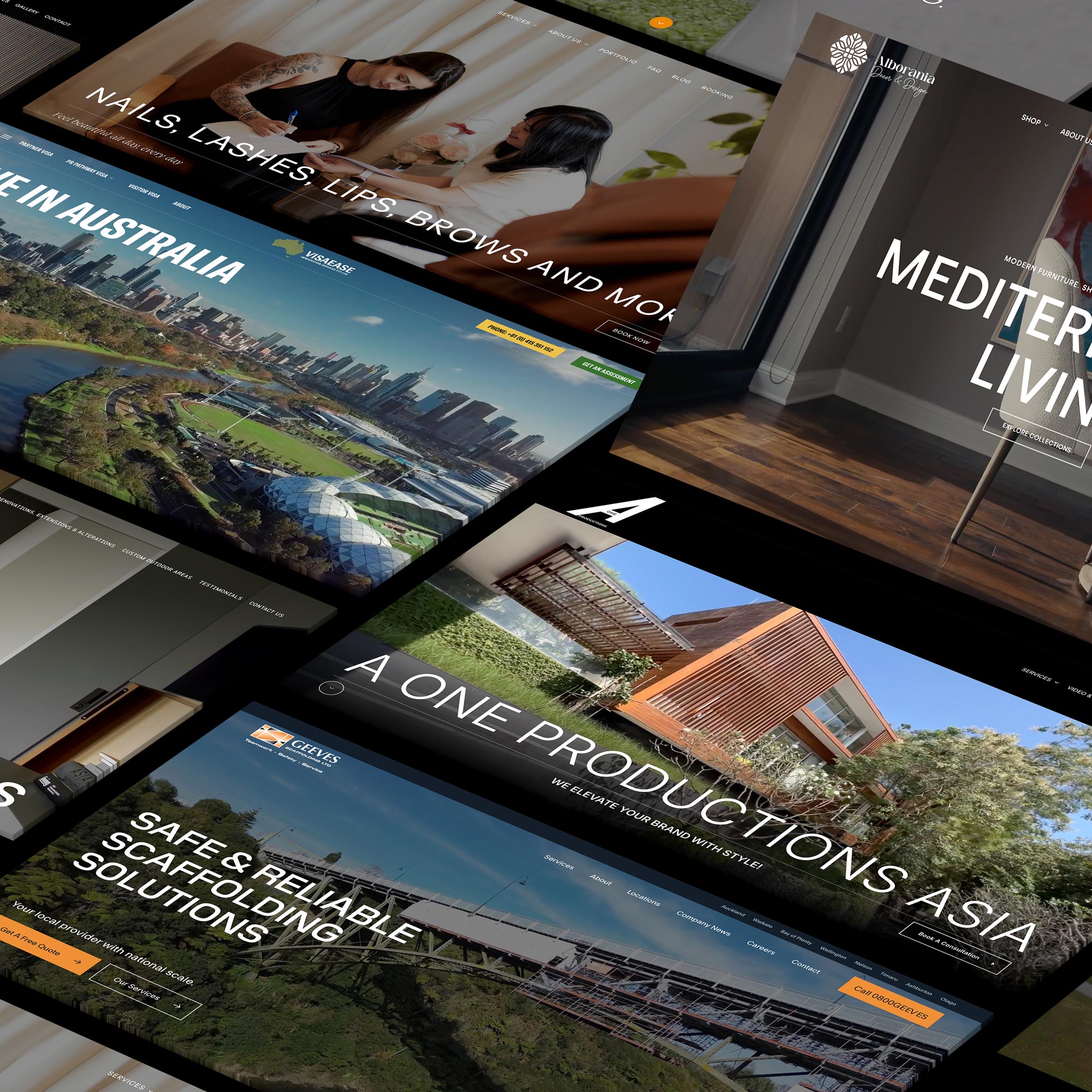
1. Mobile-First Design
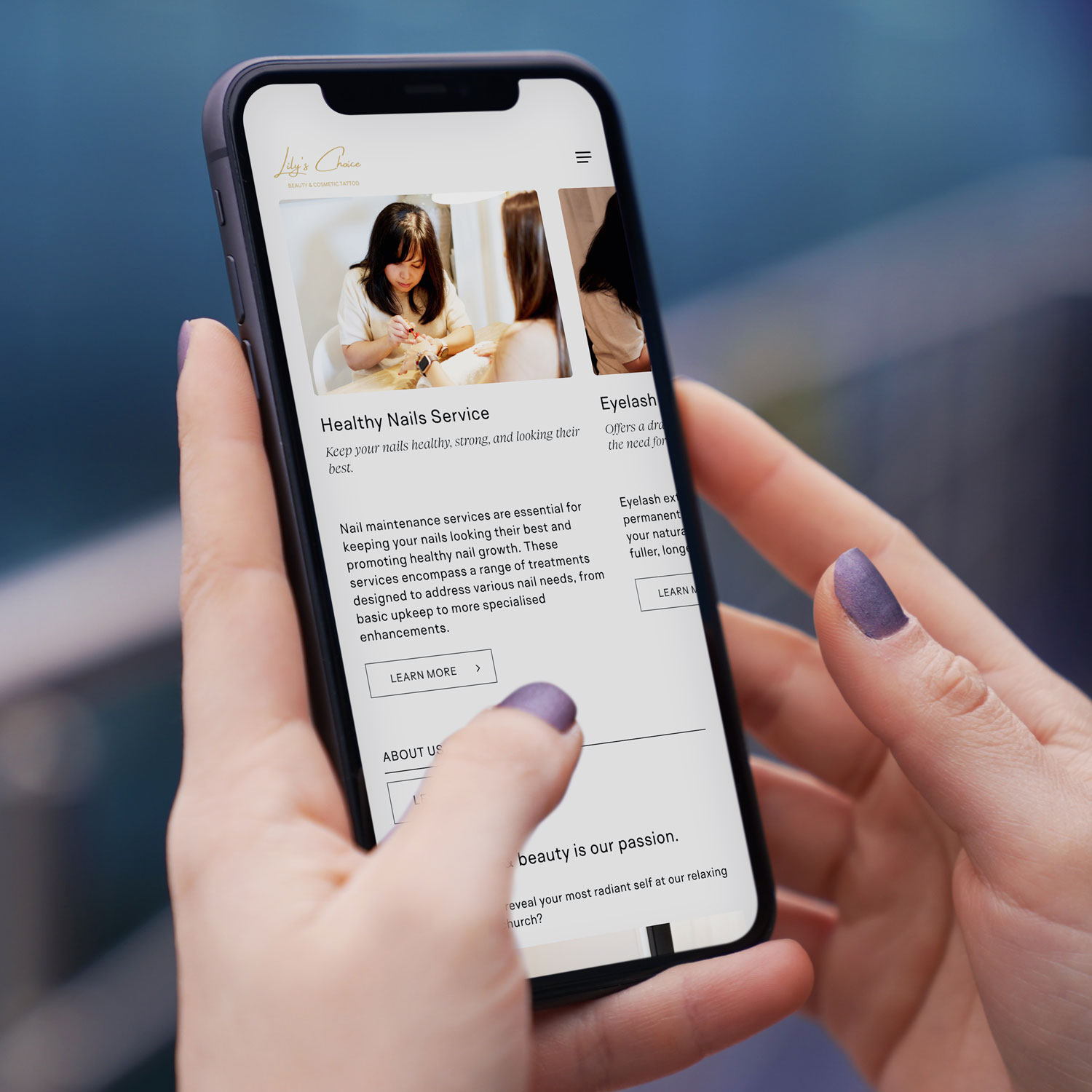
In 2025, mobile-first design isn’t just a best practice—it’s the default. With more than 70% of New Zealand internet traffic now coming from smartphones, websites that don’t prioritise mobile users are immediately at a disadvantage.
Why It Matters
- Google’s mobile-first indexing: Google ranks websites based on their mobile versions first. If your site doesn’t perform well on mobile, your SEO rankings will drop.
- Better engagement: Mobile users expect quick loading times, simple navigation, and content that fits their screen without endless zooming.
- Local relevance: Many Kiwis search for services “near me” while on mobile. A responsive, mobile-friendly site ensures your business appears credible when people are on the go.
Best Practices
- Use responsive frameworks like Bootstrap or Tailwind CSS.
- Prioritise fast-loading images and compressed video.
- Design tap-friendly buttons and larger fonts for easy reading.
- Eliminate clutter—keep navigation clean and intuitive.
Local Example
New Zealand retailers such as Kathmandu and Farmers NZ have redesigned their sites with mobile-first layouts, ensuring smooth browsing experiences that boost online sales.
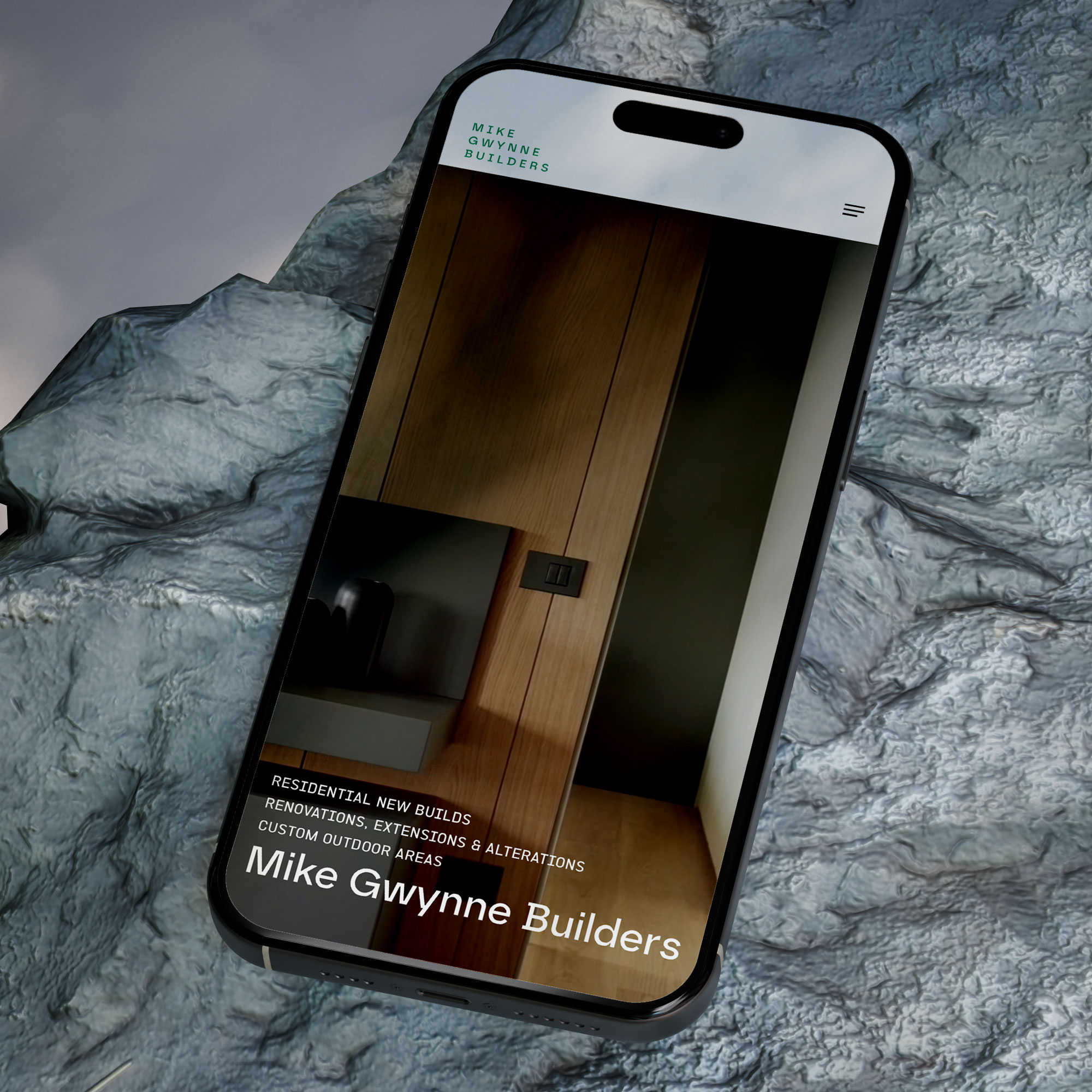
2. Ethical, Sustainable, and Accessible Website Design
Kiwi consumers are increasingly valuing businesses that align with social and environmental responsibility. This has fuelled the rise of ethical, sustainable, and accessible design as a cornerstone of Web Design New Zealand.
Accessibility
An accessible website ensures everyone—including those with visual, auditory, or physical impairments—can use it effectively. Features include:
- Screen reader compatibility for the visually impaired
- Colour contrast testing for readability
- Keyboard navigation support for users unable to use a mouse
- Alt text for all images so search engines and screen readers can interpret visuals
Sustainability
Many New Zealand businesses are also reducing their website’s carbon footprint by:
- Using efficient hosting providers powered by renewable energy
- Optimising code to lower server demand
- Limiting auto-playing videos and heavy animations that drain energy
Local Example
NZ’s Department of Conservation has a website optimised for accessibility and sustainability, reflecting the organisation’s environmental ethos while making content widely usable.
Why It Matters
Not only do sustainable and accessible designs align with Kiwi values, but Google also prioritises fast, efficient, and inclusive websites in search rankings. Investing in this area benefits both users and SEO performance.
3. Meaningful Interactions
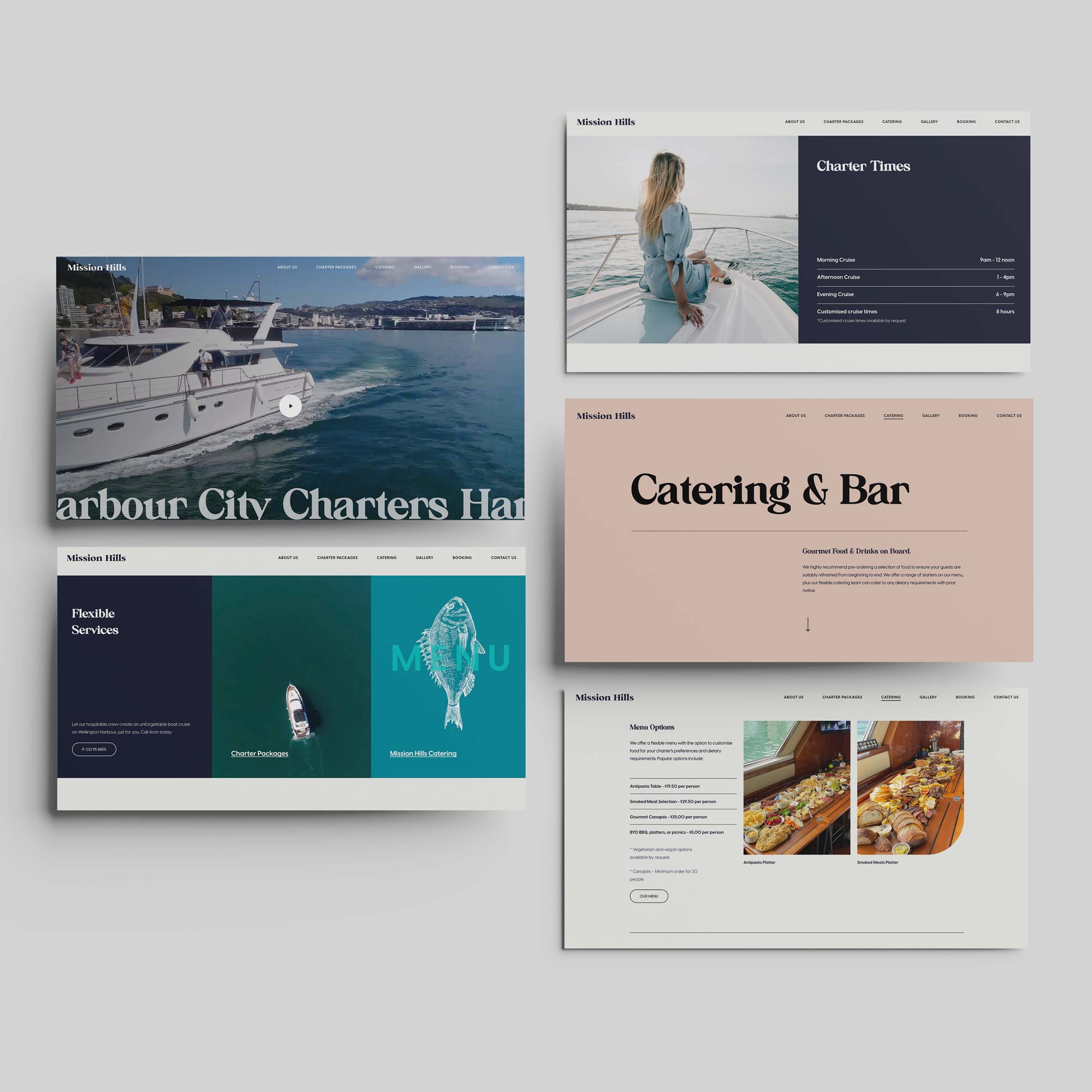
In 2025, visitors expect more than static pages—they want to engage with your brand through meaningful digital interactions. This trend is about using interactive design to improve customer journeys, not just add visual flair.
Examples of Meaningful Interactions
- Micro-interactions: Subtle animations when a button is pressed or when a form is completed successfully. These give users instant feedback and reduce frustration.
- Interactive content: Calculators, quizzes, or configurators that let users customise services or products before purchase.
- AI-powered chatbots: Offering instant answers, personalised suggestions, and 24/7 customer support.
- Dynamic product filters: Allowing users to refine searches in real time, enhancing eCommerce experiences.
Local Example
Tourism websites like 100% Pure New Zealand and airline portals such as Air New Zealand are leveraging interactive maps, booking tools, and AI chat assistants to keep users engaged and improve satisfaction.
Why It Matters
These meaningful interactions boost time on site, customer trust, and conversion rates. Instead of gimmicks, interactions are now designed to add clarity, reduce friction, and make navigation intuitive.
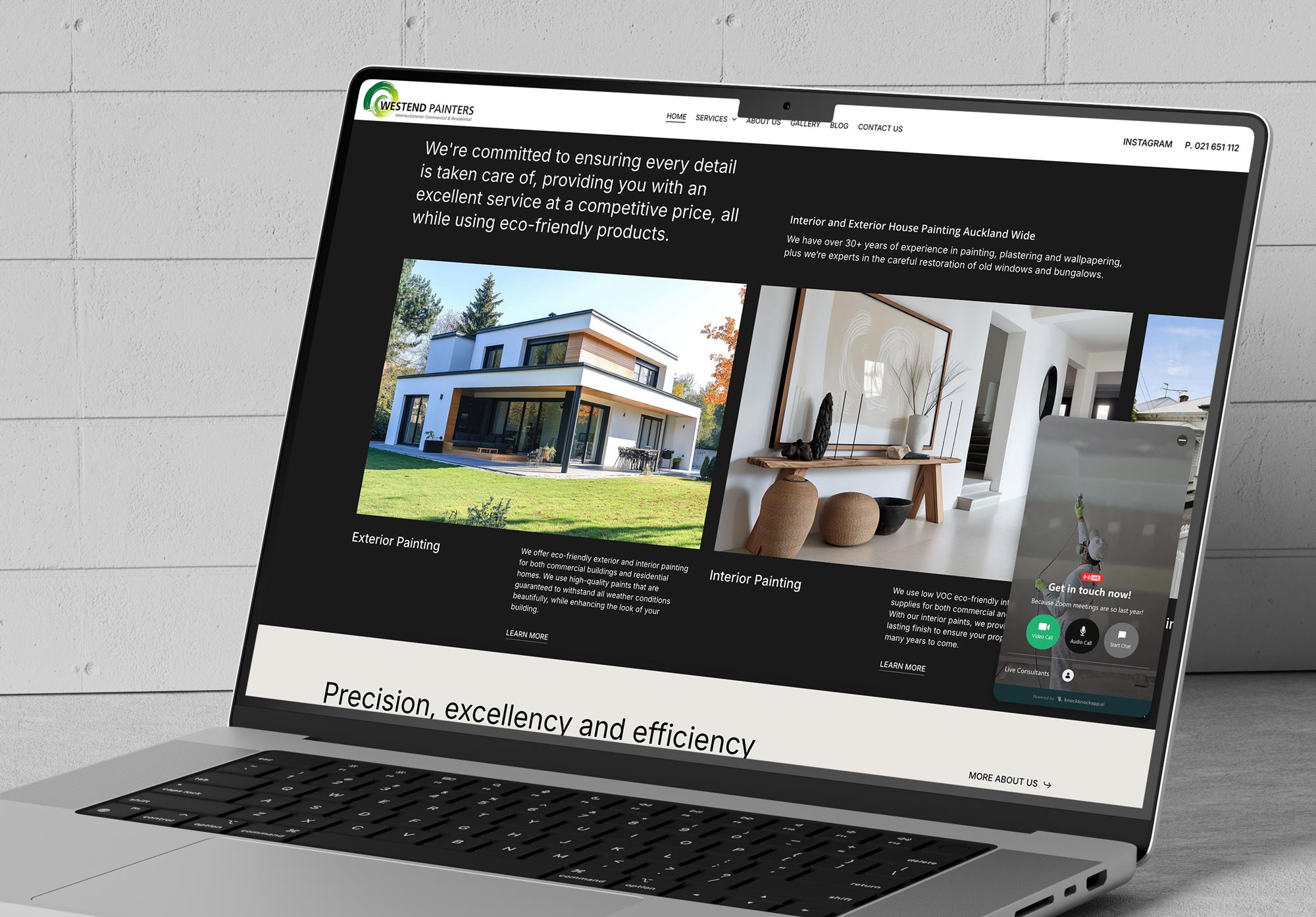
4. Complex and Awe-Inspiring Hero Areas
Your hero section—the large banner or introduction area at the top of a homepage—has become more than a welcome mat. In 2025, hero areas are complex digital storytelling tools that instantly communicate your brand identity.
Key Features of Modern Hero Areas
- Cinematic video backgrounds: Immersive visuals that capture attention instantly.
- Oversized typography: Bold headlines that state your value proposition clearly.
- Immersive motion graphics: Smooth, subtle animations that draw the eye to key messaging.
- 3D visuals and AR elements: Giving websites a futuristic, cutting-edge feel.
Local Example
Businesses in Auckland and Wellington are blending Māori design motifs and storytelling elements into hero sections, reflecting New Zealand’s culture in a modern way. This creates a unique brand identity that resonates both locally and internationally.
Why It Matters
Your hero area is often where users decide whether to stay or leave. By making it visually compelling, culturally relevant, and strategically designed, you increase trust, professionalism, and engagement from the first second.
5. Smart CTA Placements to Improve Conversions
Your Call-to-Action (CTA) buttons are the most important conversion points on your site. In 2025, Web Design NZ is shifting to smarter placements that align with the customer journey.
Best Practices for Smart CTAs
- Above the fold: A visible CTA (like “Book Now” or “Get a Free Quote”) should appear before the user scrolls.
- Contextual placement: CTAs appear at the right moment—after a product description, service list, or testimonial.
- Sticky CTAs: Floating action buttons that stay on-screen as users scroll.
- Personalised CTAs: AI-driven buttons tailored to user behaviour (e.g., showing “Get 20% Off” to repeat visitors).
- A/B testing: Continuously refining colour, text, and placement for maximum impact.
Local Example
E-commerce platforms like Trade Me have perfected CTA placements, ensuring that “Buy Now” and “Place Bid” buttons are always prominent, leading to higher sales.
Why It Matters
A website can look stunning but still fail if it doesn’t convert. Smart CTA strategies ensure design isn’t just attractive—it’s profitable. Businesses that test and refine CTA placements see significant jumps in lead generation and revenue.
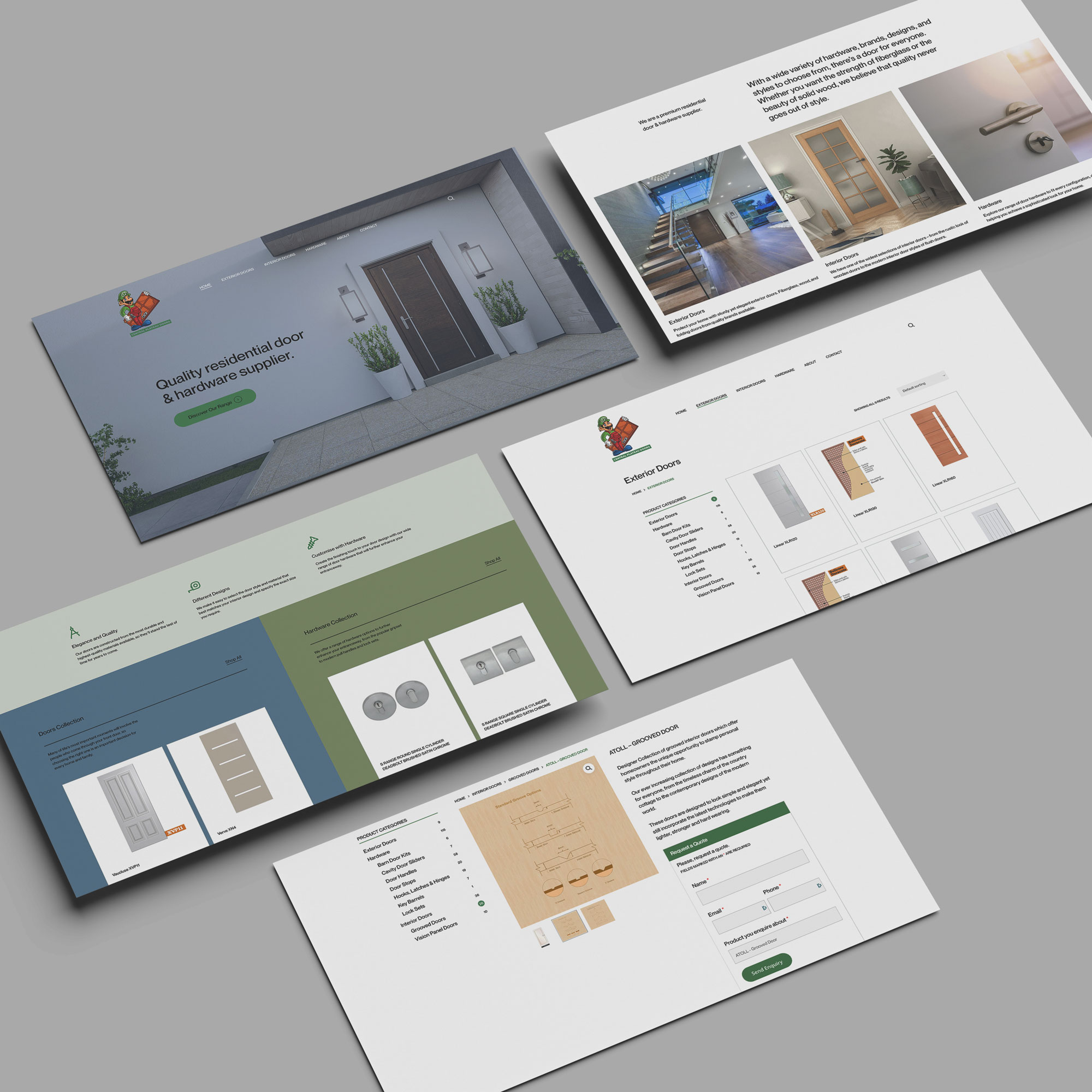
As we step into 2025, Web Design New Zealand is about more than just aesthetics—it’s about creating purpose-driven digital experiences. Mobile-first designs meet the demands of today’s browsing habits, ethical and sustainable websites align with Kiwi values, meaningful interactions improve usability, awe-inspiring hero sections capture attention, and smart CTAs drive real conversions.
For businesses across the country, adopting these trends means building not just a website, but a digital growth engine. Whether you’re in Auckland, Wellington, Christchurch, or a smaller town, staying ahead of these web design trends ensures your business remains competitive in an increasingly digital-first world.
If you’re looking to future-proof your online presence, investing in professional Web Design NZ services, Sky Media team will help you deliver websites that are modern, inclusive, and high-performing. Get in touch with us for a free consultation.