Digital Marketing3

Stay ahead with Sky Media’s latest SEO, web design, and Google Ads tips. Practical advice for Kiwi businesses to boost their online success.

Business owner reviewing website performance metrics and analytics on a laptop screen

Is Your Website Actually Working? 7 Simple Ways to Measure Website Performance

By Digital Marketing, Web Design

Many businesses invest in a website and then treat it like a digital brochure, something that simply exists online. But a good website should do more than look professional. It should help your business grow. It should attract visitors, guide them toward the right information, and turn interest into enquiries or sales.

Business owner reviewing website performance metrics and analytics on a laptop screen

The challenge is that many business owners don’t know how to tell whether their website is performing well. They might hear about analytics, SEO metrics, or technical performance scores, but those can feel overwhelming and overly technical.

The good news is that measuring website performance doesn’t have to be complicated. You don’t need to be a developer or data analyst to understand whether your site is helping your business.

Here are seven practical ways to measure how well your website is really performing and what to look for if something needs improvement.

1. Are You Getting the Right Visitors?

One of the most basic measures of website performance is traffic: how many people are visiting your site.

But the number alone doesn’t tell the whole story. What matters more is whether the right people are finding your website.

For example, a landscaping company in Christchurch doesn’t benefit much from hundreds of visitors in other countries. What matters is attracting homeowners in the local area who are looking for landscaping services.

Tools like Google Analytics can show where your visitors come from, which pages they land on, and how they found you: through Google searches, social media, referrals, or direct visits.

If your traffic is growing and the majority of visitors are coming from relevant sources, that’s a positive signal your website is reaching the right audience.

If traffic is low or coming from unrelated places, it may mean your SEO, content strategy, or marketing channels need adjustment.

Google Analytics dashboard showing website traffic, visitor behaviour, and the pages people view most often.

Google Analytics dashboard showing website traffic, visitor behaviour, and the pages people view most often.

2. Are Visitors Staying or Leaving Immediately?

Another useful indicator is how long visitors stay on your site.

If people arrive and leave within a few seconds, it often suggests something is wrong. Perhaps the page didn’t match what they expected, the message wasn’t clear, or the website felt confusing.

This is often referred to as a bounce rate – the percentage of visitors who leave after viewing only one page.

A high bounce rate isn’t always bad. For example, someone might visit a contact page, get the phone number, and leave. But if visitors consistently leave your homepage or key service pages quickly, it may indicate that your introduction section isn’t doing its job.

Clear messaging, simple navigation, and strong headlines can make a big difference here.

3. Are Visitors Taking the Next Step?

Ultimately, the purpose of most business websites is to encourage action.

That action might be:

  • Filling out a contact form
  • Booking a consultation
  • Calling your business
  • Downloading a guide
  • Purchasing a product

These actions are known as conversions.

If your website attracts plenty of visitors but very few enquiries, the issue may not be traffic, it may be the way the site guides visitors toward the next step.

Simple improvements can often increase conversions significantly. Clear call-to-action buttons, well-structured service pages, and trust signals like testimonials or reviews help visitors feel confident taking action.

4. Are Your Most Important Pages Being Viewed?

Not every page on your website carries the same importance.

For many businesses, a few key pages do most of the work:

  • Homepage
  • Main service pages
  • Pricing pages
  • Contact page
  • Key blog articles

Looking at which pages people visit most often can reveal whether visitors are finding the information that matters.

If your service pages receive very little traffic, it could mean visitors are struggling to navigate the site or search engines aren’t ranking those pages well.

On the other hand, if certain blog articles attract consistent traffic, they may be worth expanding or linking to more prominently.

Understanding which pages perform well helps guide future improvements.

5. How Fast Does Your Website Load?

Speed has become an important part of the online experience.

Most people expect websites to load quickly. If a page takes too long, many visitors will leave before it finishes loading.

Page speed affects not only user experience but also search engine visibility. Search engines prefer fast websites because they provide a better experience for users.

There are simple tools, such as Google PageSpeed Insights, that can give you a rough idea of how fast your site loads.

You don’t need to understand every technical detail, but it’s helpful to know whether your website performs well on mobile devices and whether any obvious issues are slowing it down.

Common causes of slow websites include very large images, unnecessary scripts, or outdated hosting.
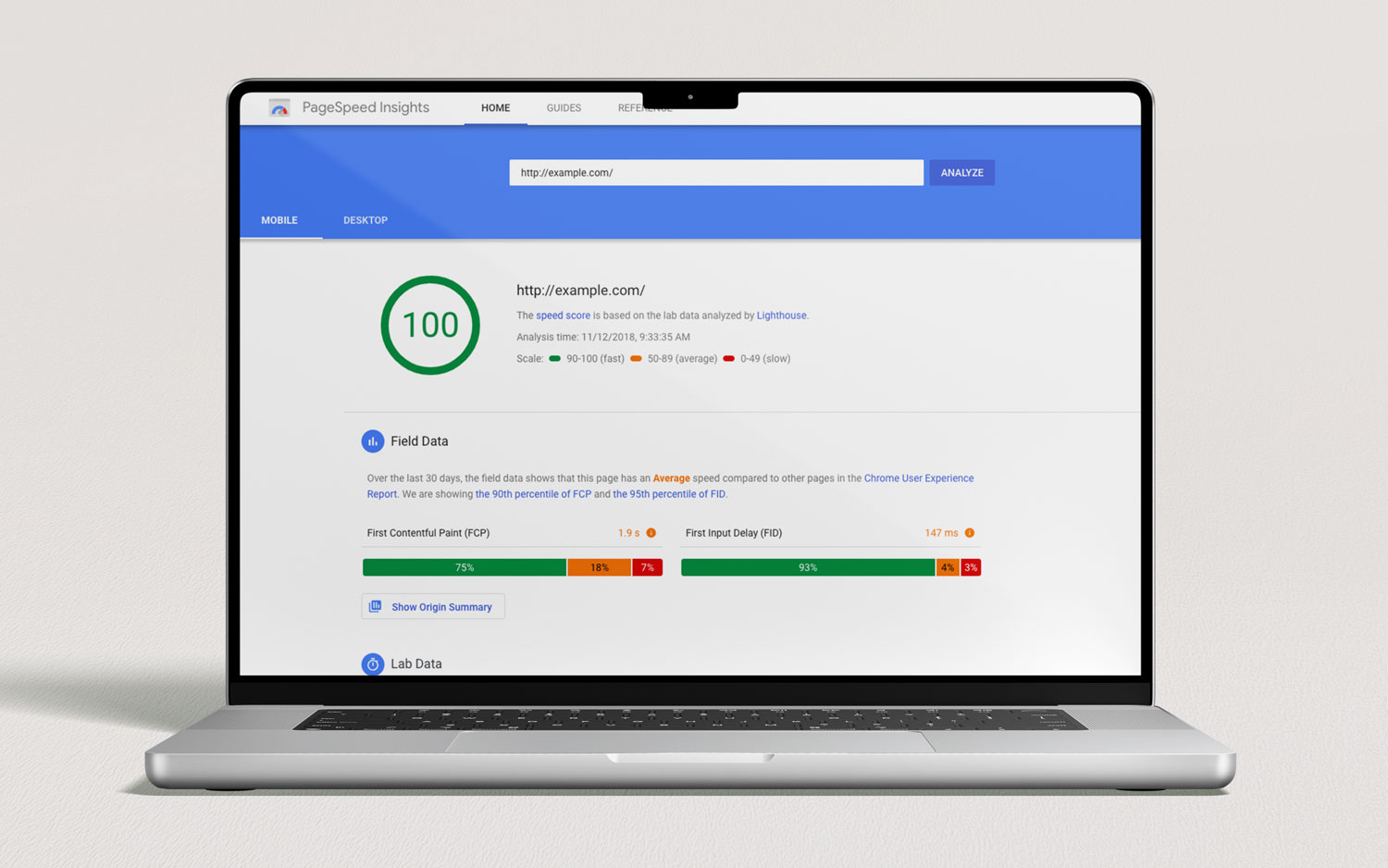
Google PageSpeed Insights helps evaluate how fast your website loads and highlights opportunities to improve performance.

Google PageSpeed Insights helps evaluate how fast your website loads and highlights opportunities to improve performance.

6. Are People Finding You Through Search Engines?

For many businesses, search engines remain one of the most valuable sources of website visitors.

If someone searches for services you offer, for example, “house renovation Christchurch” or “accountant for small business”, ideally your website should appear somewhere in those results.

You can measure this by checking whether visitors are arriving through organic search (Google or other search engines).

Google Search Console is a helpful tool that shows which keywords people are searching for when they discover your site. It can also reveal which pages appear in search results most often.

If your website rarely appears in search results, improving SEO, through clearer service pages, helpful blog content, and technical improvements, can make a significant difference over time.

Google Search Console dashboard showing how your website appears in search results and which queries bring visitors to your site.

Google Search Console dashboard showing how your website appears in search results and which queries bring visitors to your site.

7. Are Visitors Using Your Website Easily?

One of the most overlooked measures of website performance is usability.

Ask yourself:

  • Is it easy to find key information?
  • Are important pages only one or two clicks away?
  • Does the site work smoothly on mobile devices?
  • Is the next step obvious?

A website might technically function well but still frustrate users if navigation is confusing or content is difficult to scan.

One of the simplest ways to evaluate usability is to watch how real people interact with your site. Ask a colleague or customer to try finding a service or booking a consultation and observe what happens.

If they hesitate, get lost, or ask questions like “Where do I click?”, that’s valuable feedback.

Good website design should feel intuitive — visitors shouldn’t need instructions.

Why Measuring Website Performance Matters

A website is never truly finished.

Just like a physical business location evolves over time, your website should continue improving as you learn how people use it.

By regularly checking a few simple indicators: traffic, engagement, conversions, page performance, search visibility, speed, and usability, you gain a clearer picture of whether your website is helping your business or holding it back.

The goal isn’t to obsess over numbers. It’s to understand whether your website is guiding visitors toward becoming customers.

Final Thoughts

Your website should be one of the hardest-working tools in your business. But without measuring performance, it’s difficult to know whether it’s doing its job.

The good news is that you don’t need complex analytics dashboards to get started. Paying attention to a handful of key indicators can reveal a lot about how well your site performs.

Small improvements, such as clearer messaging, faster loading pages, stronger calls to action, can often make a significant difference.

Over time, those improvements compound into better visibility, more enquiries, and a stronger online presence.

Would like a Free Website Audit?

If you’re not sure how well your website is performing, we can help.

Send us your website link and we’ll review it from a usability, design, and performance perspective, highlighting practical improvements that can help turn more visitors into enquiries.
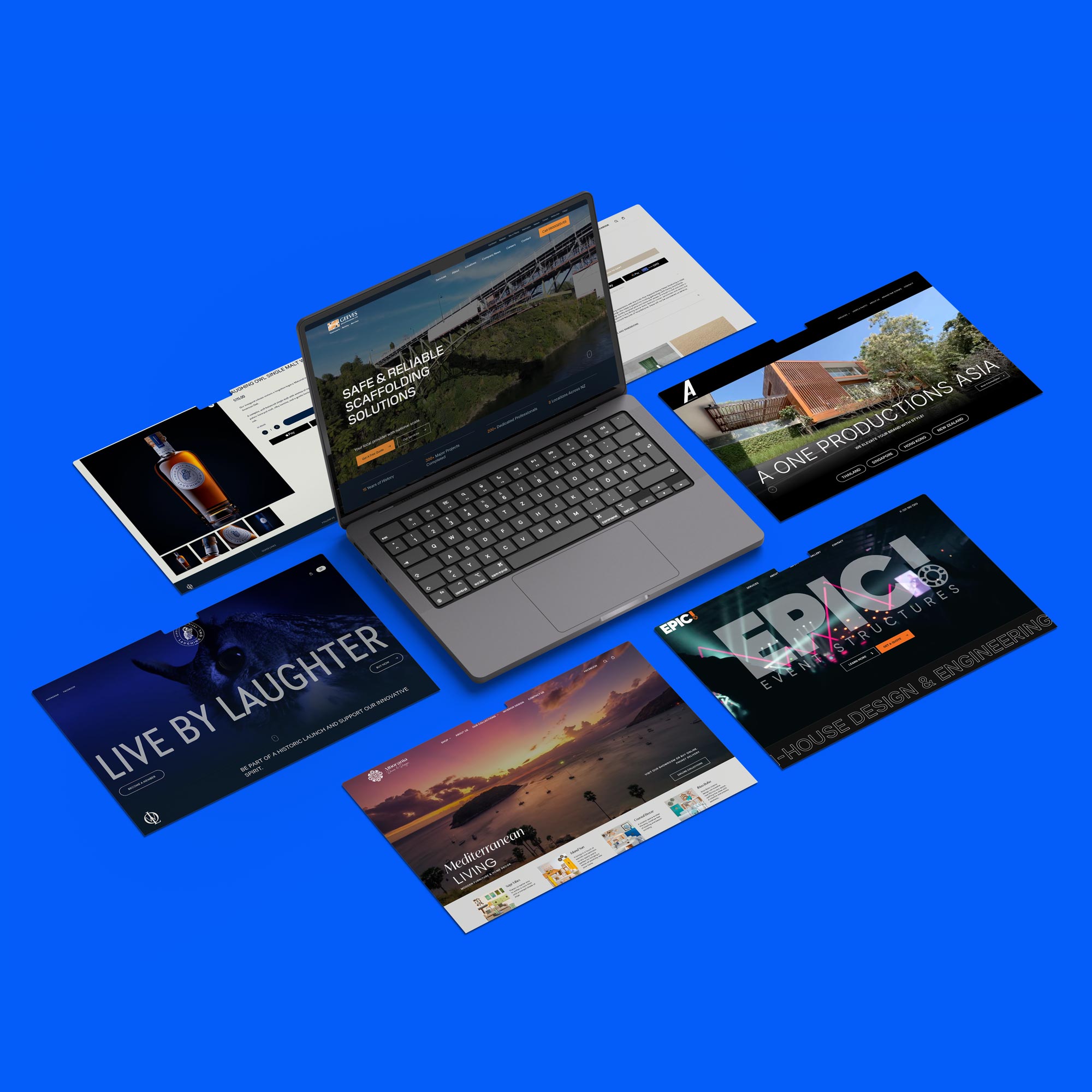
2025 Wrapped: A Year of Stories, Strategy & Sky-High Results

By Digital Marketing, Web Design

At Sky Media, years aren’t just measured in months, but in milestones. In the stories we’ve helped tell, the brands we’ve helped amplify, and the digital landscapes we’ve transformed. As we step into 2026, we’re pausing to look back on a year of incredible partnerships, creative breakthroughs, and results that have left a lasting mark.

This isn’t just our year in review—it’s a celebration of our clients’ vision and the tangible impact of aligning bold ideas with bulletproof strategy. From the high-stakes world of construction to the refined realm of single malt whisky, here are the projects that defined our 2025.

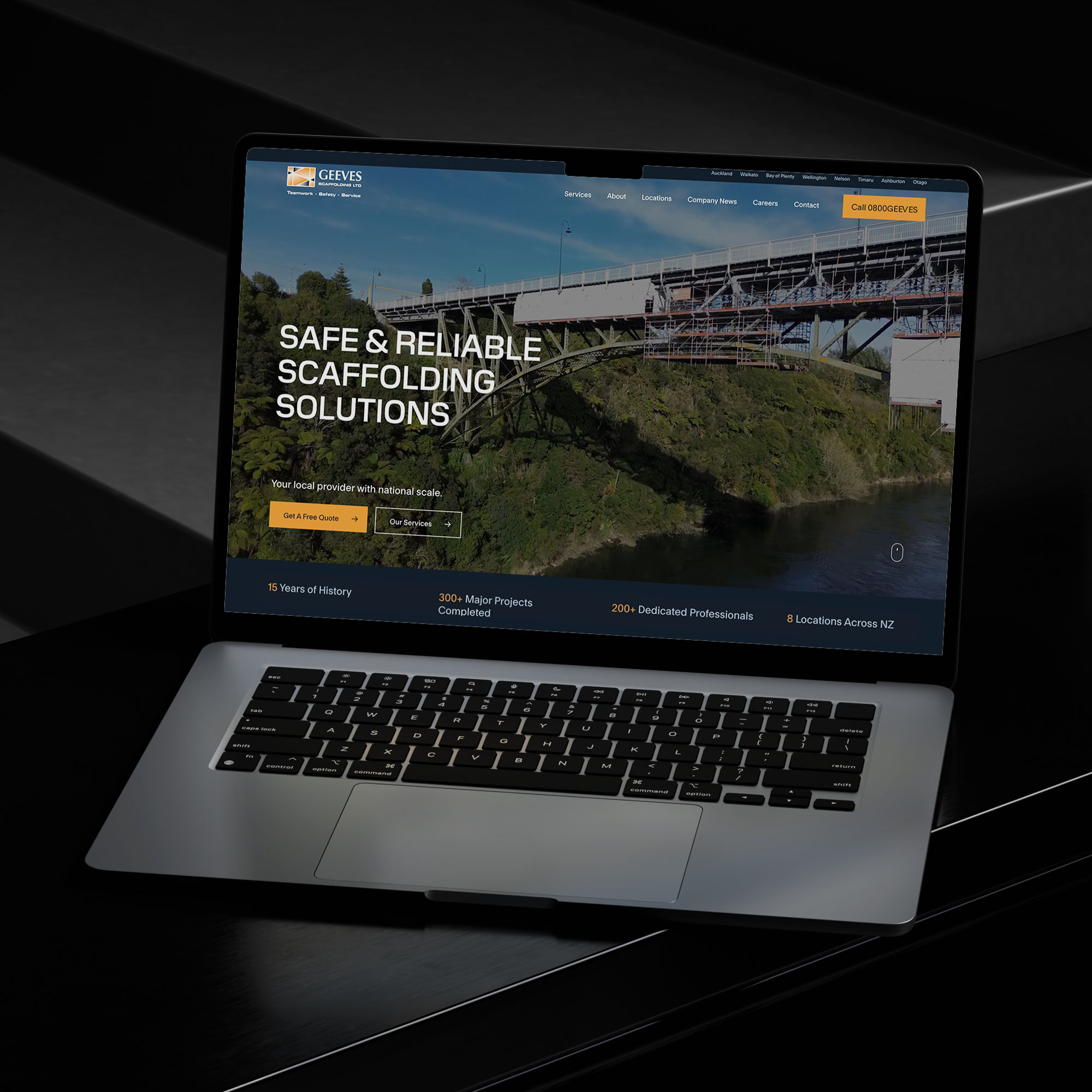
Geeves Scaffolding – Building a Digital Framework for Safety & Trust

The Challenge: In an industry built on physical safety and reliability, Geeves Scaffolding’s online presence wasn’t reflecting their market-leading stature. Their digital facade needed a complete rebuild to inspire the confidence of commercial clients and project managers.

Our 2025 Playbook: We approached this like a precision construction project. Our strategy was built on a foundation of trust and authority.

  • Creating a Industry-Leading Site: We designed a new website that was robust, user-friendly, and safety-first in its messaging. Clean lines, intuitive navigation, and powerful visuals of their projects in action replaced generic stock imagery.
  • Content that Holds Weight: We developed a content strategy focused on thought leadership — blog posts on compliance updates, case studies of complex projects, and guides on scaffold selection. This positioned Geeves not as a supplier, but as an essential partner in successful project planning.
  • Targeted Lead Generation: Through strategic Google Ads targeting high-value commercial construction keywords and Facebook campaigns aimed at project managers and tradies, we built a pipeline of qualified leads, not just clicks.

The Sky-High Result: Significant increase in qualified lead generation from digital channels, and a website that now serves as a 24/7 testament to their professionalism, directly contributing to new contract wins. We didn’t just build a website; we built a digital flagship.

Geeves Scaffolding Website Design

Epic Event Structures – Engineering the Foundations for Unforgettable Moments

The Challenge: Epic creates stages for New Zealand’s biggest events — from concert platforms to grandstand seating. However, their online presence wasn’t fully showcasing the engineering excellence, safety innovation, and creative design that sets them apart. They were being seen as a supplier of parts, not the strategic partner who builds the event’s foundational canvas.

Our 2025 Playbook: We shifted the narrative from simply listing services to showcasing masterful event infrastructure. Our strategy was built on demonstrating how their temporary structures are the critical, unseen hero of every successful event.

  • Showcasing the Scale & Precision: We transformed their digital portfolio into a showcase of engineering artistry. Using detailed case studies, we highlighted the process from initial design to on-site execution, emphasising their in-house engineering certification.
  • Content Built on Authority: We developed content that positioned Epic as thought leaders in event safety and logistics. This included guides on event planning compliance, insights into managing complex sites, and highlighting their nationwide reach with 16 branches, assuring clients they have the resources for any event, anywhere.
  • Targeting the Decision-Makers: Through strategic Google Ads campaigns and content aimed at event producers, festival directors, and commercial brand managers, we focused on the key concerns: safety, reliability, innovation, and creating that “wow factor” within budget.

The Sky-High Result: Website engagement from targeted commercial and event management sectors increased significantly, with time spent on key service pages doubling. Most importantly, inbound inquiries evolved from basic price requests to detailed consultations for custom, large-scale projects, reflecting the established position as premium partners for event infrastructure.

AOne Productions – Orchestrating Visual Narratives from Phuket to the World

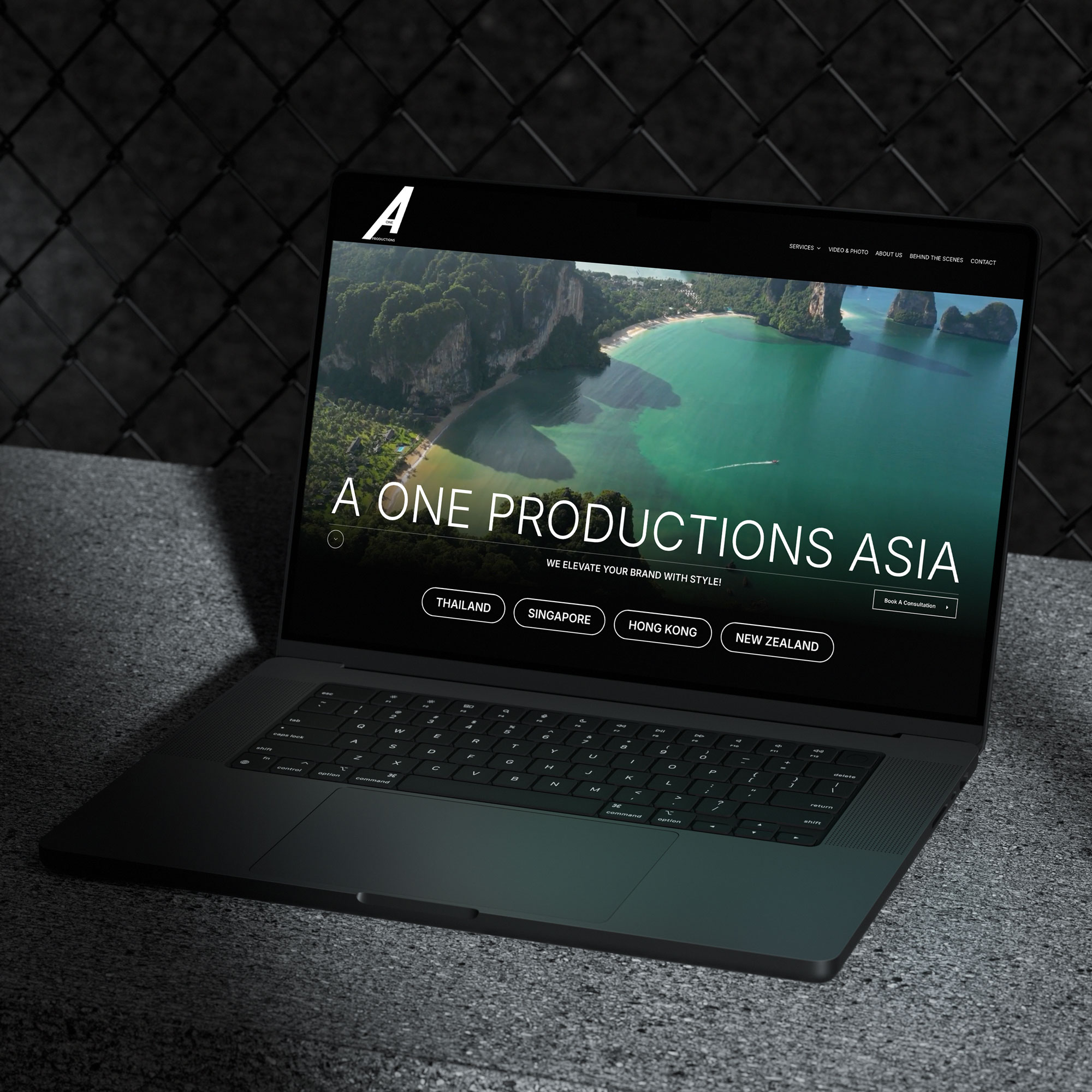
The Challenge: AOne Productions, our esteemed client from Phuket, Thailand, possesses masterful talent across photography, videography, aerial and drone videos, and post-production. However, their diverse services were presented as separate offerings rather than a cohesive visual storytelling suite, making it difficult for international resorts, brands, and agencies to see them as a single, premier source for end-to-end visual production.

Our 2025 Playbook: Our mission was to harmonize their offerings into a compelling brand story that showcased Phuket-based excellence with world-class appeal, targeting an international clientele seeking premium visual content.

  • Unifying the Visual & Verbal Brand: We refined their messaging to present “Photography. Videography. Storytelling.” as interconnected chapters of one service. We developed a sleek, portfolio-focused website that showcased their stunning work—from cinematic resort promos and dynamic aerial footage of Thai landscapes to event videos —demonstrating seamless quality across all mediums.
  • The “Global Visual Partner” Pitch: We repositioned AOne not as a local vendor, but as a strategic visual partner for international clients. Our content strategy highlighted their unique advantage: the ability to produce high-quality visuals with the efficiency, local knowledge, and breathtaking backdrop of Phuket and Southeast Asia.
  • Strategic International Showcasing: We optimised their digital presence for global discovery, using targeted SEO for keywords like “international video production Thailand” and “premium aerial photography Asia.” Facebook and Instagram campaigns were strategically aimed at marketing directors of luxury hospitality brands, international ad agencies, and global corporations looking for stunning visual content from the region.

The Sky-High Result: AOne Productions brand is now clearly positioned as a top-tier, one-stop visual production house, successfully translating their Phuket-based talent into a powerful global value proposition.

AOne Productions Website Design

Alborania Decor & Design – Curating a Digital Showroom of Dreams

The Challenge: Alborania, a promising startup from Thailand, sells exquisite, custom-made decor with immense global appeal. However, their potential was locked behind a logistical barrier: without a direct-to-consumer sales channel, reaching their potential customers was complex and fragmented. They needed more than a digital brochure; they required a fully-functional, luxurious e-commerce platform that could seamlessly translate the artistry of their pieces into a trustworthy and convenient shopping experience.

Our 2025 Playbook: Our mission was to engineer a complete digital retail ecosystem. We moved beyond building a brand to building a sales engine, designing an online store that married inspirational storytelling with intuitive, E-Commerce functionality.

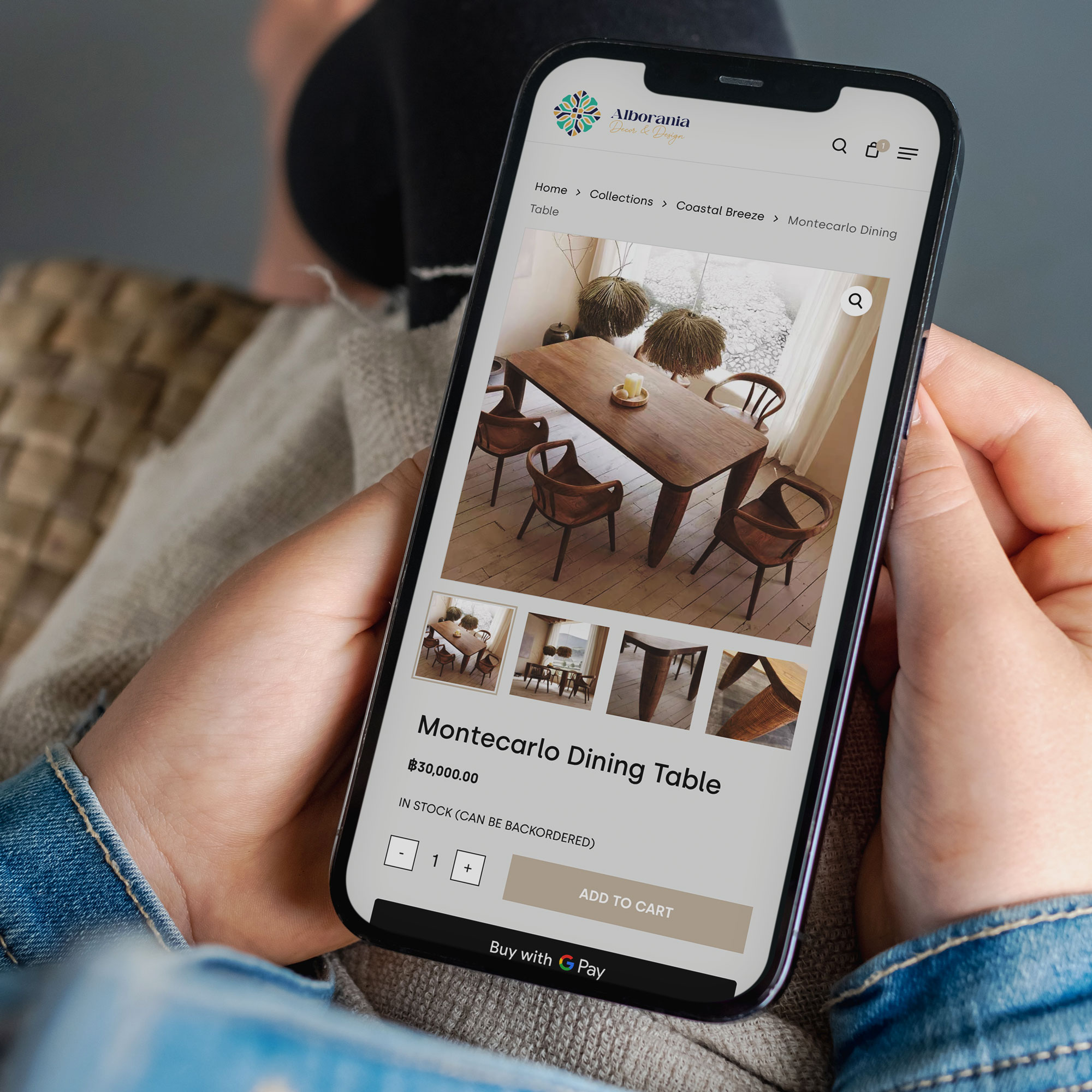
  • Designing a Conversion-Focused Experience: We architected the website as a premium digital boutique. The user journey was meticulously crafted: from immersive, high-fidelity product galleries with zoom functionality and lifestyle videos, to a streamlined checkout process with transparent shipping calculators. Every element was designed to build confidence and reduce purchase friction.
  • Product Narratives that Convert: We embedded powerful storytelling directly into the product pages. Each item’s description was crafted as a mini-narrative, detailing the artisan techniques, material provenance, and cultural inspiration behind the piece. This transformed product listings from simple specifications into compelling stories that justified value and fostered an emotional connection, directly encouraging purchase decisions.
  • Driving Direct Sales Through Paid Traffic: With a beautiful storefront built, we launched targeted social media campaigns. We used visually stunning carousels on Facebook and Instagram, targeting demographics interested in luxury interior design, artisanal goods, and Asian aesthetics, with a clear call-to-action driving traffic directly to product pages.The Sky-High Result: Alborania successfully transacted its first orders within weeks of launch. The platform established a direct, profitable sales channel, eliminating intermediary barriers.

The Sky-High Result: From a standing start, Alborania’s digital showroom generated significant traffic and high-intent inquiries within the first quarter of launch. Facebook and Instagram became their primary discovery channels, directly driving a sales pipeline.

Alborania Website Design

Laughing Owl Whisky – Distilling a Legacy in the Digital Age

The Challenge: Launching a premium spirits brand in a saturated global market is a monumental task. Laughing Owl Whisky needed to establish a legacy from day one – to tell a story so compelling it would justify a premium price point and cultivate a loyal following of connoisseurs and curious drinkers alike.

Our 2025 Playbook: We crafted a launch strategy steeped in legend, locality, and luxury. Every element was designed to bottle the essence of their story.

  • Story as the Spirit’s Soul: We built the entire brand narrative around the enigmatic Laughing Owl (Whēkau), its haunting call, and its connection to the untamed spirit of Aotearoa. This wasn’t just whisky; it was a liquid story.
  • E-Commerce Engineered for Exclusivity: The launch campaign was integrated directly into a high-conversion website. We built advanced e-commerce functionality including limited-release product queues, real-time inventory counters, and a robust waiting list system to manage high demand and create scarcity. The checkout process was optimised for clarity, with detailed information on regional shipping.
  • E-Commerce Engineered for Exclusivity: The “Parliament” membership is the central e-commerce feature. This copy-driven strategy creates digital scarcity and community, encouraging immediate action. The website copy, from the evocative product description (“Mānuka smoke… Mānuka wood… uniquely bold flavour”) to the clear “Buy Now” and “Become a Member” calls-to-action, is designed to guide visitors from story to sale without external media.The Sky-High Result: Launch day delivered extraordinary demand, with the first wave of inventory moving swiftly and driving immediate, high-value sales through the new platform. The launch established Laughing Owl not as another whisky, but as a coveted New Zealand icon in the making.

The Sky-High Result: The platform’s launch generated powerful initial sales momentum and has sustained significant, ongoing demand. The strategic copywriting and “Parliament” membership model successfully converted brand story into commercial action, building a robust waitlist of engaged customers.

Wrapping Up a Year of Transformative Partnerships

2025 at Sky Media reaffirmed a core belief: powerful digital marketing is never just about clicks and conversions. It’s about understanding the soul of a business.

These five highlights are a testament to the collaborative spirit we share with our clients. Here’s to the stories we told, the challenges we tackled, and the results we achieved together. As we look to the horizon, we’re excited to write the next chapter of innovation and impact.

Ready to make 2026 your brand’s most impactful year yet? Let’s talk about your business.

Checklist showing the connection between UX design and SEO success

Is Your Website’s Design Hurting Your Google Ranking? Here’s How to Tell.

By Digital Marketing, SEO

When most business owners think about getting found online, they think of Search Engine Optimisation (SEO)—keywords, backlinks, and content. And when they think about their website, they focus on design: colours, layouts, and beautiful images.

It’s common to see these as two separate projects: one for the marketing team and one for the web designer. But what if we told you that this separation is the very thing holding your website back?

Checklist showing the connection between UX design and SEO success

The truth is, your website’s design and its SEO performance are deeply intertwined. Google doesn’t just see a collection of pretty pictures and text. It “experiences” your website much like a human visitor does. A well-designed website doesn’t just look good; it functions in a way that search engines love.

In this post, we’ll demystify the technical jargon and show you, the business owner, how the core elements of your website’s design directly affect your search engine rankings. Understanding this connection is the first step to building a website that not only wins customers but also wins good rankings in Google search.

1. Site Architecture & Navigation: Building a Roadmap for Users and Google

Think of your website like a physical store. If a customer walks in and can’t find what they’re looking for because the aisles are a maze, they’ll leave frustrated. The same goes for your website.

Site architecture is the structure and hierarchy of your website’s pages. A clean, logical structure is crucial for both user experience (UX) and SEO.

How it Affects Users: Visitors should be able to find any piece of information within three clicks. A clear menu, a logical flow from general (Home > Services) to specific (Services > Renovations), and a helpful footer are essential.

How it Affects SEO: Google’s bots (called “crawlers”) navigate your website by following links. A messy, deep, or illogical structure makes it hard for them to discover and index all your important pages. If Google can’t find a page, it can’t rank it.

Actionable Tip: Create a simple, flat site structure. Use broad categories in your main navigation and use internal links to connect related pages (e.g., link from your “Renovations” service page to your “Completed Projects” page).

2. Mobile-First Design: No Longer an Option, but a Necessity

You’ve likely heard that your website needs to be mobile-friendly. But the concept has evolved. We’re now in the era of “mobile-first indexing”.

This means that Google primarily uses the mobile version of your website’s content for indexing and ranking. If your desktop site is perfect but your mobile site is slow, clunky, or poorly formatted, you are at a significant ranking disadvantage.

How it Affects Users: Over half of all web traffic comes from mobile devices. A non-responsive design forces users to pinch, zoom, and scroll horizontally, leading to a terrible experience and a high bounce rate (people leaving your site quickly).

How it Affects SEO: Google is explicitly prioritising the mobile experience. A slow or unresponsive mobile site will be penalised in search results. Furthermore, a poor mobile experience increases your bounce rate, which is a negative ranking signal.

Actionable Tip: Use Google’s free Mobile-Friendly Test tool. Ensure your website uses a “responsive” design, meaning it automatically adapts its layout to fit any screen size.

3. Page Speed & Performance: The Need for Speed

In our fast-paced world, patience for slow-loading websites is zero. A delay of just a few seconds can kill your conversions. But speed is also a direct Google ranking factor.

How it Affects Users: Slow loading times lead to frustration and abandonment. Think of it as a slow-loading checkout line in a supermarket—people will simply leave their cart and go elsewhere.

How it Affects SEO: Google’s Core Web Vitals are a set of specific metrics related to speed, responsiveness, and visual stability. Websites that perform well on these metrics are rewarded with better rankings. A fast site also gets crawled more efficiently by Google’s bots, meaning your new content can be indexed faster.

Actionable Tip: Compress and optimise your images (don’t upload massive, high-res files directly from your camera). Work with your developer to minimise code and leverage browser caching. Tools like Google PageSpeed Insights can give you a detailed report.

4. Content Layout & Readability: Making Your Content Scannable

You could have the most insightful, valuable content on the internet, but if it’s presented as a giant, intimidating “wall of text,” no one will read it—including Google.

How it Affects Users: Online readers don’t read word-for-word; they scan. They look for headings, bullet points, bold text, and short paragraphs. A clean, scannable layout respects the user’s time and helps them find the information they need quickly, keeping them on the page longer.

How it Affects SEO: When users stay on your page (a metric known as “dwell time”), it signals to Google that your content is valuable. Furthermore, using proper HTML heading tags (H1, H2, H3) to structure your content acts as a roadmap for search engines, helping them understand the context and hierarchy of your information.

Actionable Tip: Break up your text! Use a clear H1 for the main title, H2s for main section headings, and H3s for sub-sections. Employ bulleted lists, bold key phrases, and keep paragraphs to 2-3 sentences.

5. Secure & Accessible Website (HTTPS): The Foundation of Trust

Security is no longer just for E-Commerce sites handling payments. It’s a basic requirement for every website.

How it Affects Users: A secure site (indicated by a padlock icon in the address bar) assures visitors that their connection to your site is encrypted and safe. This builds trust, which is essential for any business hoping to generate leads or sales.

How it Affects SEO: Google has confirmed that HTTPS is a lightweight ranking signal. More importantly, browsers like Chrome now explicitly mark non-HTTPS sites as “Not Secure,” which can severely damage your credibility and increase your bounce rate.

Actionable Tip: Ensure your website has an SSL certificate installed, meaning your URL begins with https:// instead of http://.

6. Image Optimisation: The Hidden Power of Pictures

Images make your website visually engaging, but if not handled correctly, they can be a major drag on performance and a missed SEO opportunity.

How it Affects Users: Unoptimised, large images slow down your page speed, creating a poor user experience as discussed earlier.

How it Affects SEO: Slow loading is an SEO negative. However, properly optimised images present a fantastic SEO opportunity through Alt Text. Alt text is a written description of an image that is read aloud by screen readers for the visually impaired and is also crawled by search engines. It helps your images appear in Google Image Search, driving additional traffic.

Actionable Tip: Always compress images before uploading. When adding an image, describe it concisely in the alt text field, using relevant keywords naturally (e.g., alt=”Bathroom renovation before and after showing outdated pink tiles transformed into a modern walk-in shower” instead of just “image12345.jpg”).

7. Internal Linking: Weaving Your Website Together

Internal links are hyperlinks that point to another page on your own website. They are the glue that holds your site architecture together.

How it Affects Users: Internal links help visitors discover more relevant content, keeping them engaged and on your site longer. For example, you can link from a blog post about your new completed construction project to your service page for “New Builds”.

How it Affects SEO: Internal links help spread “link equity” (ranking power) throughout your site. They establish a hierarchy on your website, showing Google which pages you deem most important. They also help crawlers discover new pages more efficiently.

Actionable Tip: Don’t just use “click here” as link text. Use descriptive anchor text that tells the user and Google what the linked page is about (e.g., “Learn more about our renovation services”).

Bringing It All Together: The Synergy of Design and SEO

As you can see, web design is not a superficial layer on top of your SEO strategy. The elements we’ve discussed, from site structure to image optimisation, are fundamental to how both users and search engines interact with your website.

A beautiful website that is slow, confusing, and insecure will fail to rank and fail to convert visitors. Conversely, a technically perfect but ugly and hard-to-use website will also struggle to meet business goals.

The goal is a harmonious balance: a website that is visually appealing, intuitively easy to use, and built on a technically sound foundation. This is the sweet spot where user experience and search engine optimisation meet, creating a powerful asset that drives sustainable growth for your business.

Conclusion: Your Website is Your Hard-Working Employee

Think of your website as your business’s hard-working, 24/7 sales and marketing employee. For this employee to perform at its best, it needs the right tools and environment. The design elements we’ve covered are exactly that – the tools that allow your website to communicate effectively, build trust, and provide a seamless experience for every visitor.

By prioritising an SEO-friendly design from the very beginning, you’re not just building a website; you’re building a powerful engine for online visibility and business growth.

Is your current website designed for success? The team at Sky Media specialises in creating beautiful, high-performing websites that are built to rank. Contact us today for a free, no-obligation website and SEO audit to see how you can improve your online presence.