Most businesses invest money getting people to their website — through SEO, Google Ads, social media, or word of mouth. But what happens when visitors arrive and leave without doing anything? No enquiry. No purchase. No sign-up.
That’s a conversion problem, and it’s more common than you’d think.

Before you spend another dollar driving traffic, it’s worth asking: is your website actually set up to convert the people already landing on it?
In this post, we’re breaking down the most common website mistakes that silently sabotage your results and what to do about them.
What Does a “Good” Conversion Rate Look Like?
A conversion is any action you want a visitor to take: filling out a contact form, making a purchase, booking a call, downloading a resource. Your conversion rate is simply the percentage of visitors who complete that action.
Most industry sources place a healthy website conversion rate somewhere between 2% and 5%. Businesses consistently sitting above 6% are genuinely performing well. If you’re below 2%, there’s almost certainly something on your site that’s getting in the way.
That said, what counts as “good” varies depending on your industry, your price point, and what you’re asking people to do. A law firm asking visitors to book a free consultation will convert differently than an e-commerce store selling $30 products. Context matters — but the principles below apply across the board.
15 Reasons Your Website Isn’t Converting
1. Poor Quality Images
Visuals shape first impressions faster than any headline can. Blurry photos, stretched images, or tired stock imagery that looks like it came from a 2010 corporate brochure all erode the trust you’re trying to build.
Every modern smartphone produces high-quality photos, and there are plenty of excellent free and paid image libraries available. There’s no reason to put substandard imagery on your site and visitors will notice.
2. Slow Page Load Times
People are impatient online. If your page takes more than a few seconds to load, a significant portion of your visitors will leave before they ever see your content. They’ll simply go back to Google and click the next result.
Page speed is also a ranking factor, so slow pages hurt your SEO too. Run your site through Google PageSpeed Insights and address whatever’s dragging it down — oversized images, too many plugins, and large video files are common culprits.
3. An Abandoned Blog
A blog that hasn’t been updated in six months (or longer) sends a quiet but damaging message: nobody’s home. If a potential customer lands on your insights page and the most recent post is from last year, it raises doubts about whether you’re still active and engaged.
Either commit to publishing consistently, even once a month makes a difference, or take the blog down entirely. A blank space is less damaging than a neglected one.
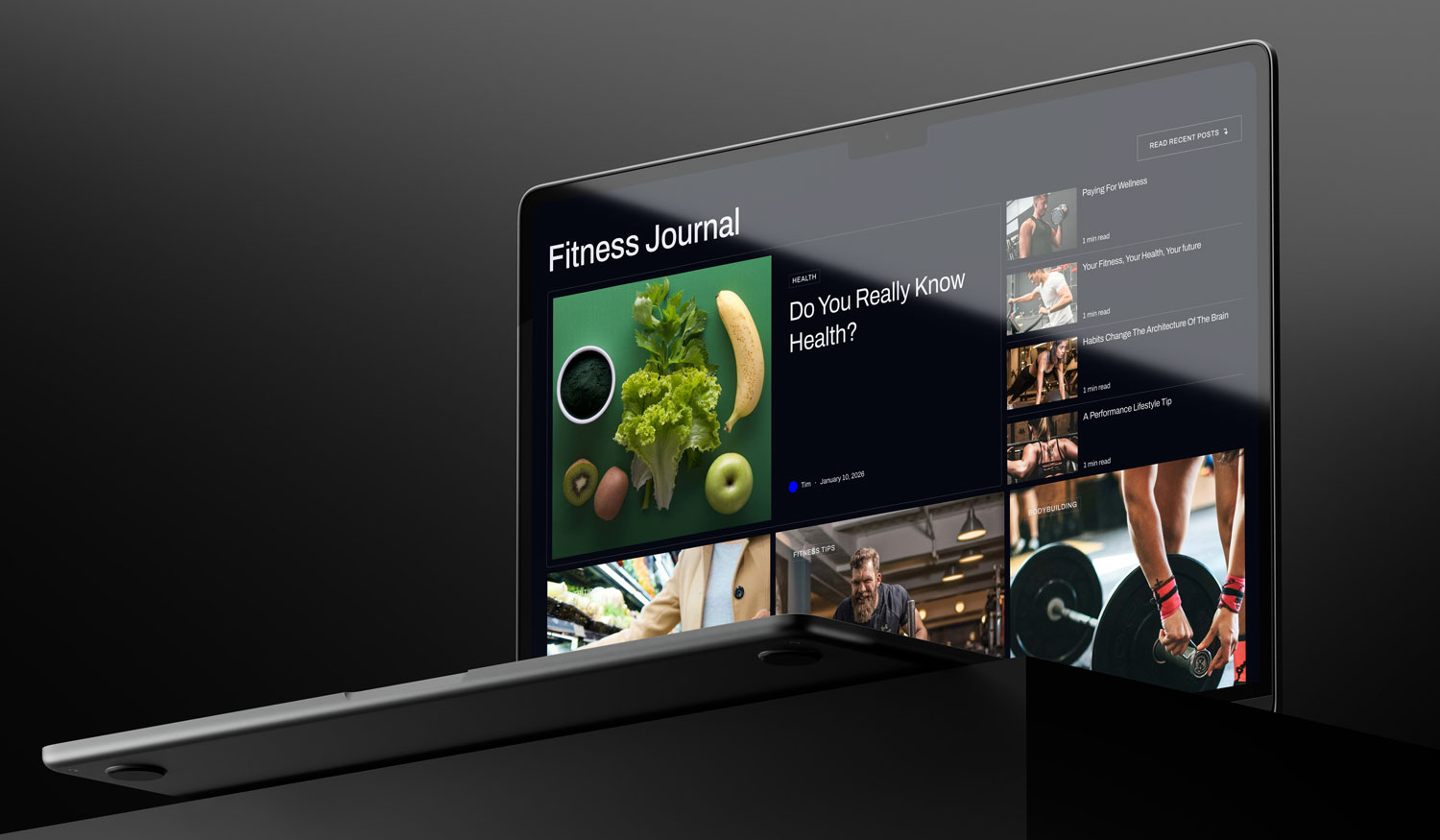
An example of a modern well-updated blog Sky Media created for Health Perfomance Club.
4. Spelling and Grammar Mistakes
The occasional typo is forgivable. Multiple errors across your website, however, undermine your credibility in a way that’s hard to recover from. Visitors reasonably wonder: if you don’t pay attention to detail here, how careful will you be with their project or money?
Proofread everything, use a grammar tool, and get a second set of eyes on your copy before it goes live. It’s a small effort with a meaningful payoff.
5. Accessibility Gaps
A website that’s difficult or impossible to use for people with disabilities isn’t just an ethical issue — it’s a conversion issue. If your site can’t be navigated by keyboard, uses low-contrast text that’s hard to read, has buttons that are too small to tap on mobile, or lacks alt text on images, you’re locking out potential customers.
Accessibility standards are also moving toward becoming a legal requirement in many markets. Getting ahead of this now protects your business and widens your audience.
6. Pushy, Pressure-Filled Copy
People can smell desperation online just as easily as they can in a shop. If every section of your website is screaming at visitors to buy now, act fast, or don’t miss out, before you’ve given them any reason to trust you, they’ll disengage quickly.
Good web copy earns conversions by demonstrating value, building credibility, and guiding people naturally toward a decision. Pressure tactics work in the short term for certain products, but for most service-based businesses and higher-value purchases, they actively repel customers.
7. Confusing Navigation
If a visitor can’t figure out where to go on your site, they’ll go somewhere else. Navigation problems are one of the most common and easily overlooked conversion killers.
Think about the journey a potential customer needs to take to enquire or buy. Is that path clear and logical? Are menu labels intuitive? Are there too many options competing for attention? Are your calls-to-action easy to find? Walk through your own site as a first-time visitor and pay attention to what feels unclear.
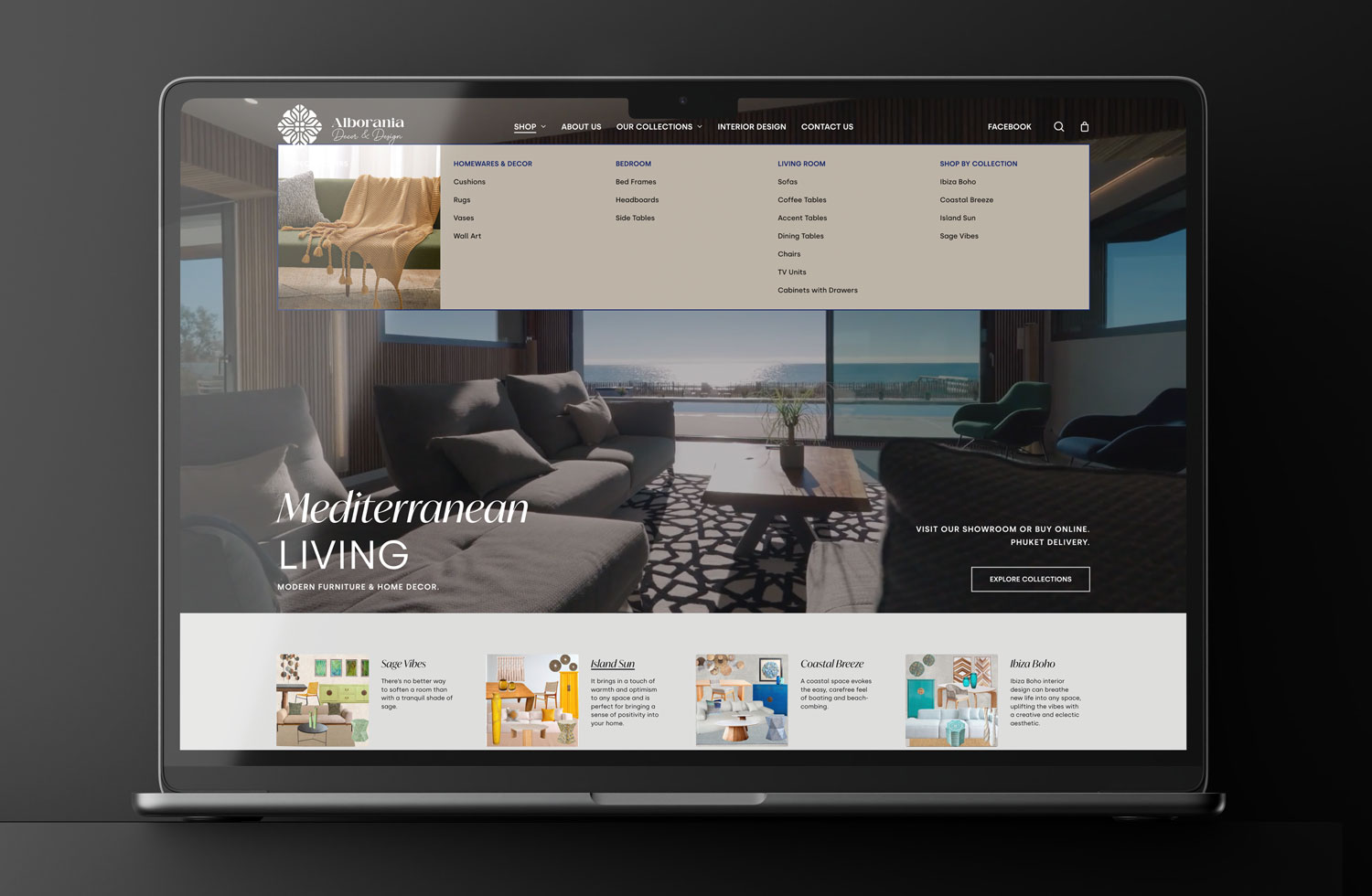
An example of an easy and structured navigation for Alborania Decor & Design E-Commerce website by Sky Media.
8. Brand Voice Inconsistency
Your website, ads, social media posts, and emails should feel like they all come from the same company. When the tone shifts dramatically between channels — formal on the website, casual on social, and oddly formal again in ads — visitors notice the disconnect, even if they can’t put their finger on why.
Beyond consistency between channels, make sure your brand voice is appropriate for your audience. A law firm that tries too hard to be casual can feel unprofessional. A business selling to stressed customers that uses overly chipper, breezy copy can feel tone-deaf. Get this right and your conversions will reflect it.
9. An Outdated Design
Your website is your most visible salesperson. It’s working 24 hours a day, seven days a week, representing your business to people who are deciding whether to trust you with their money.
A design that looks like it hasn’t been touched in five or more years signals stagnation. Broken image links, walls of text, old branding, and clunky layouts all undermine confidence. If your site no longer reflects the quality and professionalism of your business, a redesign isn’t a luxury — it’s a priority.
10. Unclear Value Proposition
Within the first few seconds of landing on your site, a visitor should know exactly what you do, who you do it for, and why they should choose you. If your hero section is vague, jargon-heavy, or tries to be too clever, people will simply leave.
Clarity beats creativity every time on a homepage. Explain what you offer in plain language, and make it immediately obvious why that matters to your ideal customer.
11. Poor Mobile Experience
In New Zealand, as elsewhere, the majority of web browsing now happens on smartphones. If your website isn’t properly optimised for mobile with readable text, easy-to-tap buttons, no horizontal scrolling, and menus that actually work on a small screen, you’re handing a large portion of your potential customers a frustrating experience.
Test your site on a real phone. Better yet, ask someone unfamiliar with your site to try to complete a task on their phone and watch what happens. Google Search Console will also flag mobile usability issues worth addressing.
12. Intrusive Pop-Ups
Used well, a pop-up can capture email subscribers or promote an offer. Used badly, they drive people off your site before they’ve had a chance to engage.
Pop-ups that appear immediately on page load, block the entire screen, are difficult to close, or appear multiple times in a single session are among the most annoying experiences a website can deliver. Keep them tasteful, well-timed, and easy to dismiss.
13. A Complicated Checkout or Enquiry Process
Every unnecessary step in your checkout or contact process is an opportunity for a potential customer to abandon the journey. Hidden fees that appear late, mandatory account creation, excessive form fields, or an unclear path to the checkout all contribute to drop-off.
If you have an E-Commerce store, use analytics tools to identify exactly where people are leaving your checkout flow — then work to remove that friction. For service businesses, make your contact form as short as it needs to be and no longer.
14. No Social Proof
People trust other people more than they trust businesses. Reviews, testimonials, case studies, client logos, and media mentions all do a lot of the heavy lifting when it comes to converting hesitant visitors.
If your website has no evidence of past success — no client feedback, no examples of work, no credentials — you’re asking people to take a leap of faith. The more reassurance you can provide, the easier it is for someone to say yes.
See how Sky Media team implemented a Customer Experience page into Kia Ora Campers website redesign.
15. Your Site Goes Down and You Don’t Notice
This one sounds obvious, but it happens more often than you’d expect. If your website is offline — due to a hosting issue, a plugin conflict, a server problem, or a cyber attack — every visitor during that period sees an error instead of your business.
If you’re not monitoring your site’s uptime, you could lose hours (or days) of potential leads before a frustrated customer contacts you to let you know. Set up uptime monitoring and make sure your hosting is reliable.
Start With the Fundamentals
If your conversion rate isn’t where you want it to be, the solution isn’t always a full rebuild. Often, targeted improvements to a handful of the issues above can make a measurable difference.
Start by auditing your site honestly — or have someone else do it for you. Identify the two or three issues most likely to be affecting your results, make changes, and give them time to show results before moving on.
If you’d like an expert set of eyes on your website’s performance, Sky Media offers free website audits for NZ businesses. Get in touch with our team — we’d love to help you get more from the traffic you’re already receiving.