You’re spending money on Google Ads. People are clicking. But the phone isn’t ringing, and the enquiry form is sitting empty.
It’s one of the most frustrating things a business owner can experience. You’re paying for traffic. The traffic is arriving. Something is going wrong in between.
The good news: this is a fixable problem. And once you understand why it’s happening, the solution is usually clearer than you’d expect.
In most cases, the culprit isn’t your ads. It’s what happens after the click.
First, Let’s Separate the Two Jobs
Google Ads and your landing page have two completely different jobs, and confusing them is where most businesses go wrong.
Your ad’s job is to get the right person to click. That’s it. It needs to show up for the right search, say something relevant, and earn the click from someone who could genuinely become a customer.
Your landing page’s job is to convert that click into an action: a call, a form fill, a booking.
If your ad is getting clicks, it’s probably doing its job reasonably well. The problem is almost certainly on the landing page side.
The Most Common Reason: Intent Mismatch
Here’s the core issue in plain language: the person clicked your ad expecting one thing, and your page gave them something different.
This is called an intent mismatch, and it’s the number one reason clicks don’t turn into customers.
A few real-world examples of how this plays out:
- Someone searches “emergency plumber Wellington” and clicks your ad — but lands on your homepage, which talks generally about all your plumbing services. They wanted urgency and a phone number. They got a brochure. They left.
- Someone searches “how much does a bathroom renovation cost” and clicks your ad — but your page has no pricing information at all. Their question isn’t answered. They go back and click a competitor.
- Someone searches “builders Christchurch” and clicks your ad — but your page is slow to load, hard to read on mobile, and the contact form is buried at the bottom. Too much friction. They give up.
In each case, the ad worked. The page didn’t.
The Homepage Problem
Sending Google Ads traffic to your homepage is one of the most common and costly mistakes in digital advertising.
Your homepage is designed for everyone: new visitors, existing customers, people who just want your phone number, people researching your industry. It tries to do too many things at once. But the person who clicked your ad? They have a very specific need. They searched for something specific. They clicked something specific. Sending them to a general page that doesn’t match what they were looking for is like a customer walking into a shop and asking for running shoes — and the staff point them towards a giant sign that says “We sell all kinds of footwear.”
Every ad campaign should send traffic to a page that’s built around exactly what the ad promised. This is called a dedicated landing page, and it’s one of the highest-leverage things you can do to improve your return on ad spend.
What a High-Converting Landing Page Actually Looks Like
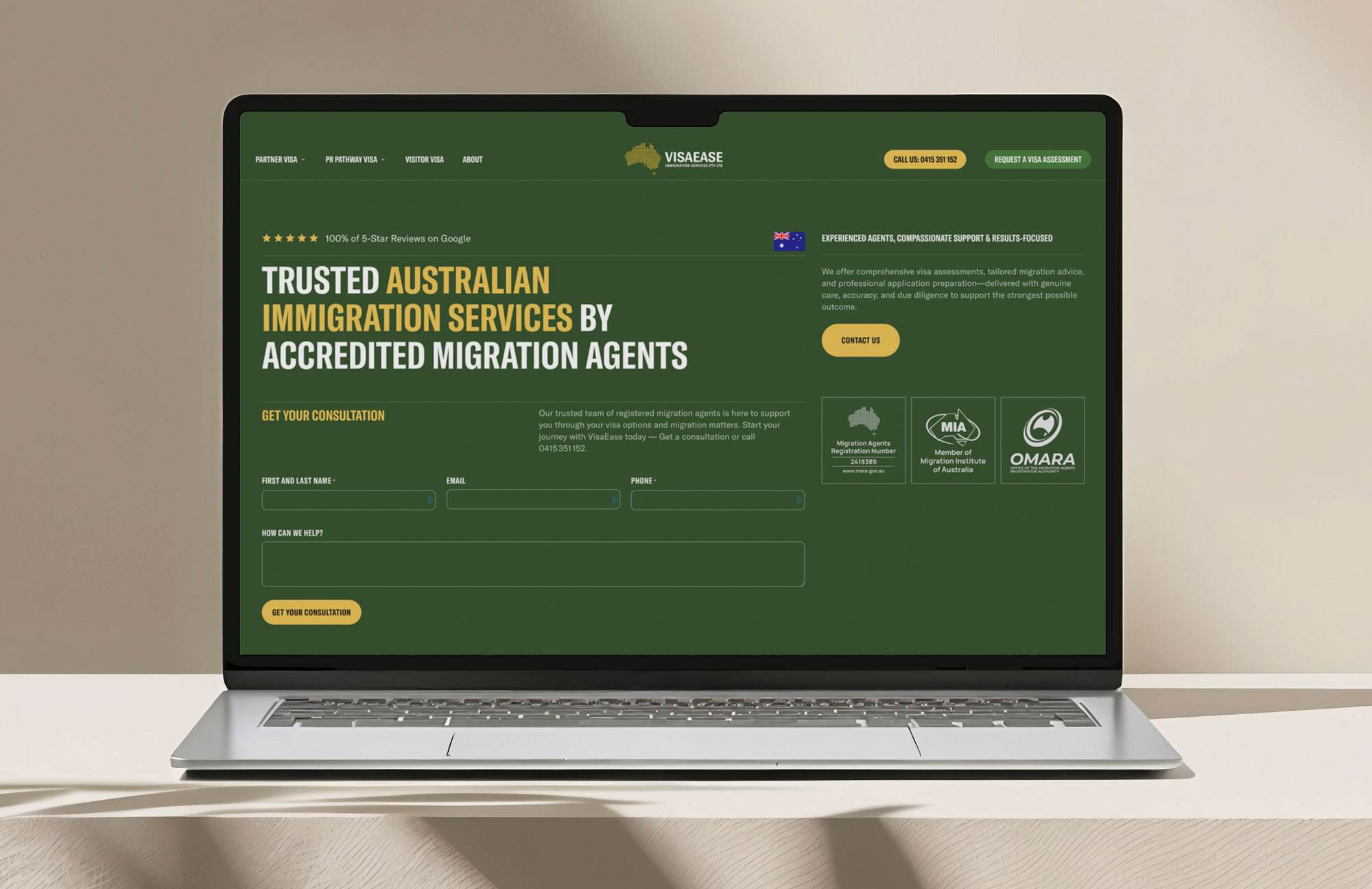
You don’t need a complicated page. You need a focused one. Here’s what the best-performing landing pages for NZ service businesses tend to have:
A clear, specific headline
It should match (or closely mirror) the search term someone used and the promise in your ad. If your ad said “Fast Hot Water Cylinder Replacement — Auckland”, your headline should confirm that’s exactly what this page is about.
One clear call to action
What do you want the visitor to do? Call you? Fill in a quote form? Book online? Pick one and make it obvious. Pages that ask visitors to do five different things often result in them doing nothing.
A phone number that’s easy to find and tap
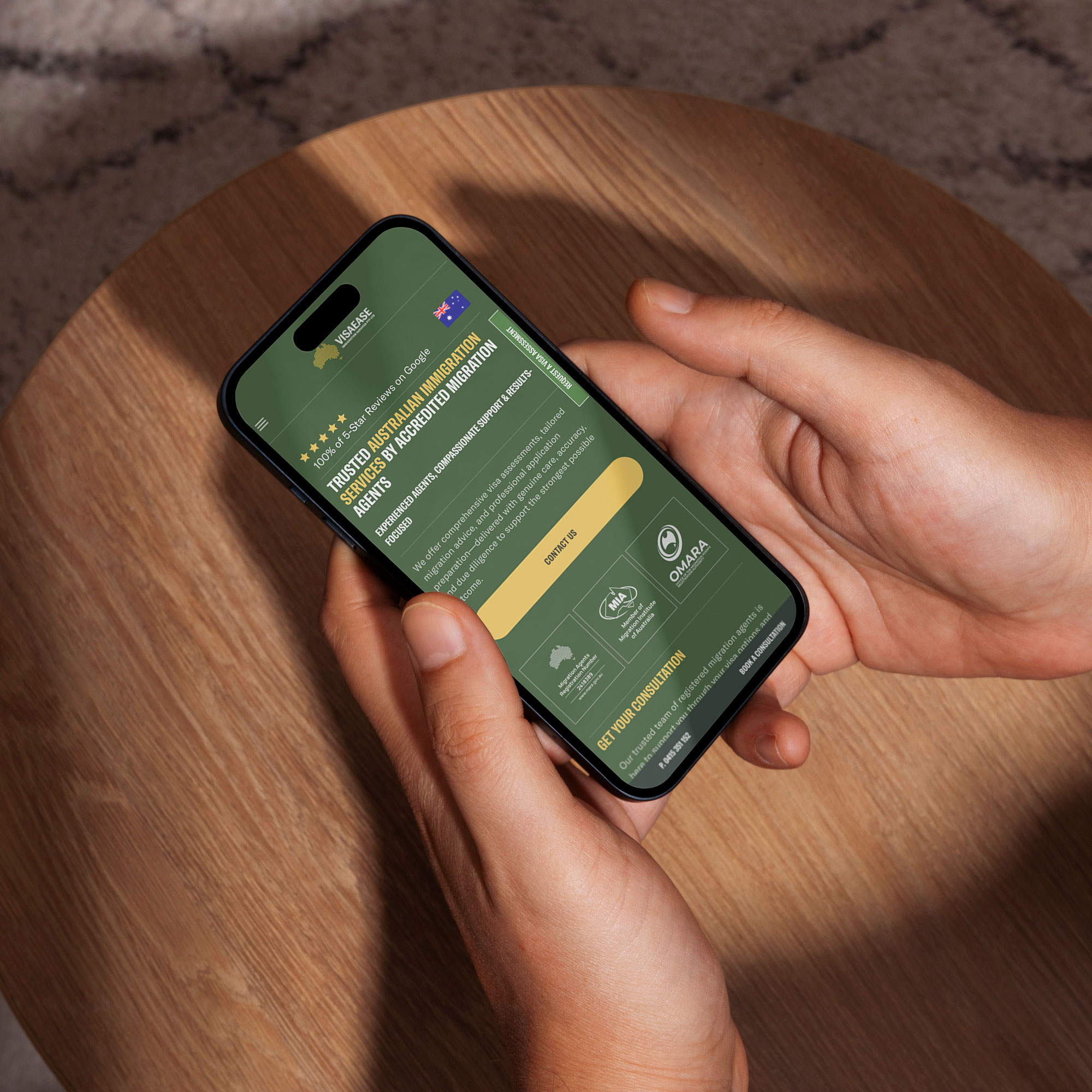
On mobile (where most local searches happen), your phone number should be visible without scrolling and clickable. A number buried in a footer, or displayed as an image that can’t be tapped, is a conversion killer.
Trust signals above the fold
“Above the fold” means what’s visible before someone scrolls. This prime real estate should include something that builds confidence fast: a Google rating, a short testimonial, a badge (“NZ Certified”, “10+ Years Experience” etc.), or a simple “We’ll call you back within the hour” promise.
A short, frictionless form (if you use one)
Every extra field you add to a form reduces the chance someone completes it. For most service businesses, name, phone number, and a one-line description of the job is enough to start a conversation. Don’t ask for information you don’t need yet.
Fast load speed and a clean mobile layout
Google’s own research shows that pages taking more than a few seconds to load see significantly higher bounce rates. On a phone with variable signal, slow pages feel broken. If your page loads slowly or looks cluttered on a small screen, you’re losing customers before they even read a word.
Speed and Mobile: The Silent Conversion Killers
It’s worth spending a moment on these two because they’re responsible for more lost conversions than most business owners realise.
1. Speed: If your page takes longer than 3 seconds to load on a phone, a large proportion of visitors will leave before seeing anything. This is money you’ve already paid for — gone. Page speed is affected by things like image file sizes, hosting quality, and how your website is built.
2. Mobile: Well over half of all Google searches happen on a phone. If your landing page isn’t designed with mobile as the priority, for example, text is too small, buttons are too close together, layout looks awkward on a small screen, you’re creating friction at exactly the wrong moment.
These aren’t nice-to-haves. In 2026, they’re the baseline.
The Message Match Principle
There’s a simple rule that the best-performing ad campaigns follow: the message in your ad should match the message on your landing page. This sounds obvious, but it’s surprising how often it breaks down in practice.
If your ad says:
“Free Quote — Commercial Cleaning Auckland — Same-Day Response”, then your landing page should immediately reinforce all three of those things: free quote, Auckland, same-day response. If the page talks about your residential services, doesn’t mention Auckland, and has a contact form that says “We’ll be in touch within 3–5 business days”, the message has broken down.
Every step from search to click to page should feel like a continuous, consistent experience. When it does, conversion rates improve significantly.
A Quick Self-Check: Is Your Landing Page Doing Its Job?
Ask yourself these questions about the page your ads are sending traffic to:
- Does the headline match what my ad promised?
- Is it immediately obvious what I want the visitor to do?
- Is my phone number visible and tappable on a phone?
- Is there at least one trust signal (reviews, rating, credential) above the fold?
- Does my contact form have fewer than five fields?
- Does the page load in under three seconds on a phone?
- Does the page make sense to someone who has never heard of my business?
If you answered “no” or “not sure” to any of these, you’ve likely found where your conversions are leaking.
The Bigger Picture: Ads and Your Website Work Together
Here’s the thing: Google Ads can drive excellent results, but only when the website behind the ads is built to convert.
A well-managed ad campaign sending traffic to a weak landing page is like running a great promotional offer and then having the wrong address on the flyer. The interest is there. The follow-through isn’t.
This is why businesses that invest in both a well-run ads strategy and a properly built website consistently outperform those who only focus on one. The two amplify each other.
For NZ businesses running Google Ads, the fastest way to improve your cost per lead is usually not to spend more on ads, it’s to improve the page those ads send people to.
Not Sure Why Your Clicks Aren’t Converting?
Sky Media works with NZ businesses on both sides of this equation: building high-converting websites and landing pages, and managing Google Ads campaigns that are set up to actually deliver results.
If you’re spending money on ads and not seeing the returns you expected, it’s worth getting a second pair of eyes on both your campaigns and the pages they’re pointing to. Get a free audit of your website today.