Google Ads3

Stay ahead with Sky Media’s latest SEO, web design, and Google Ads tips. Practical advice for Kiwi businesses to boost their online success.

Why Your Google Ads Are Getting Clicks But Not Calls

By Google Ads, Tips and Guides

You’re spending money on Google Ads. People are clicking. But the phone isn’t ringing, and the enquiry form is sitting empty.

It’s one of the most frustrating things a business owner can experience. You’re paying for traffic. The traffic is arriving. Something is going wrong in between.

The good news: this is a fixable problem. And once you understand why it’s happening, the solution is usually clearer than you’d expect.

In most cases, the culprit isn’t your ads. It’s what happens after the click.

First, Let’s Separate the Two Jobs

Google Ads and your landing page have two completely different jobs, and confusing them is where most businesses go wrong.

Your ad’s job is to get the right person to click. That’s it. It needs to show up for the right search, say something relevant, and earn the click from someone who could genuinely become a customer.

Your landing page’s job is to convert that click into an action: a call, a form fill, a booking.

If your ad is getting clicks, it’s probably doing its job reasonably well. The problem is almost certainly on the landing page side.

The Most Common Reason: Intent Mismatch

Here’s the core issue in plain language: the person clicked your ad expecting one thing, and your page gave them something different.

This is called an intent mismatch, and it’s the number one reason clicks don’t turn into customers.

A few real-world examples of how this plays out:

  • Someone searches “emergency plumber Wellington” and clicks your ad — but lands on your homepage, which talks generally about all your plumbing services. They wanted urgency and a phone number. They got a brochure. They left.
  • Someone searches “how much does a bathroom renovation cost” and clicks your ad — but your page has no pricing information at all. Their question isn’t answered. They go back and click a competitor.
  • Someone searches “builders Christchurch” and clicks your ad — but your page is slow to load, hard to read on mobile, and the contact form is buried at the bottom. Too much friction. They give up.
    In each case, the ad worked. The page didn’t.

The Homepage Problem

Sending Google Ads traffic to your homepage is one of the most common and costly mistakes in digital advertising.

Your homepage is designed for everyone: new visitors, existing customers, people who just want your phone number, people researching your industry. It tries to do too many things at once. But the person who clicked your ad? They have a very specific need. They searched for something specific. They clicked something specific. Sending them to a general page that doesn’t match what they were looking for is like a customer walking into a shop and asking for running shoes — and the staff point them towards a giant sign that says “We sell all kinds of footwear.”

Every ad campaign should send traffic to a page that’s built around exactly what the ad promised. This is called a dedicated landing page, and it’s one of the highest-leverage things you can do to improve your return on ad spend.

What a High-Converting Landing Page Actually Looks Like

You don’t need a complicated page. You need a focused one. Here’s what the best-performing landing pages for NZ service businesses tend to have:

A clear, specific headline
It should match (or closely mirror) the search term someone used and the promise in your ad. If your ad said “Fast Hot Water Cylinder Replacement — Auckland”, your headline should confirm that’s exactly what this page is about.

One clear call to action
What do you want the visitor to do? Call you? Fill in a quote form? Book online? Pick one and make it obvious. Pages that ask visitors to do five different things often result in them doing nothing.

A phone number that’s easy to find and tap
On mobile (where most local searches happen), your phone number should be visible without scrolling and clickable. A number buried in a footer, or displayed as an image that can’t be tapped, is a conversion killer.

Trust signals above the fold
“Above the fold” means what’s visible before someone scrolls. This prime real estate should include something that builds confidence fast: a Google rating, a short testimonial, a badge (“NZ Certified”, “10+ Years Experience” etc.), or a simple “We’ll call you back within the hour” promise.

A short, frictionless form (if you use one)
Every extra field you add to a form reduces the chance someone completes it. For most service businesses, name, phone number, and a one-line description of the job is enough to start a conversation. Don’t ask for information you don’t need yet.

Fast load speed and a clean mobile layout
Google’s own research shows that pages taking more than a few seconds to load see significantly higher bounce rates. On a phone with variable signal, slow pages feel broken. If your page loads slowly or looks cluttered on a small screen, you’re losing customers before they even read a word.
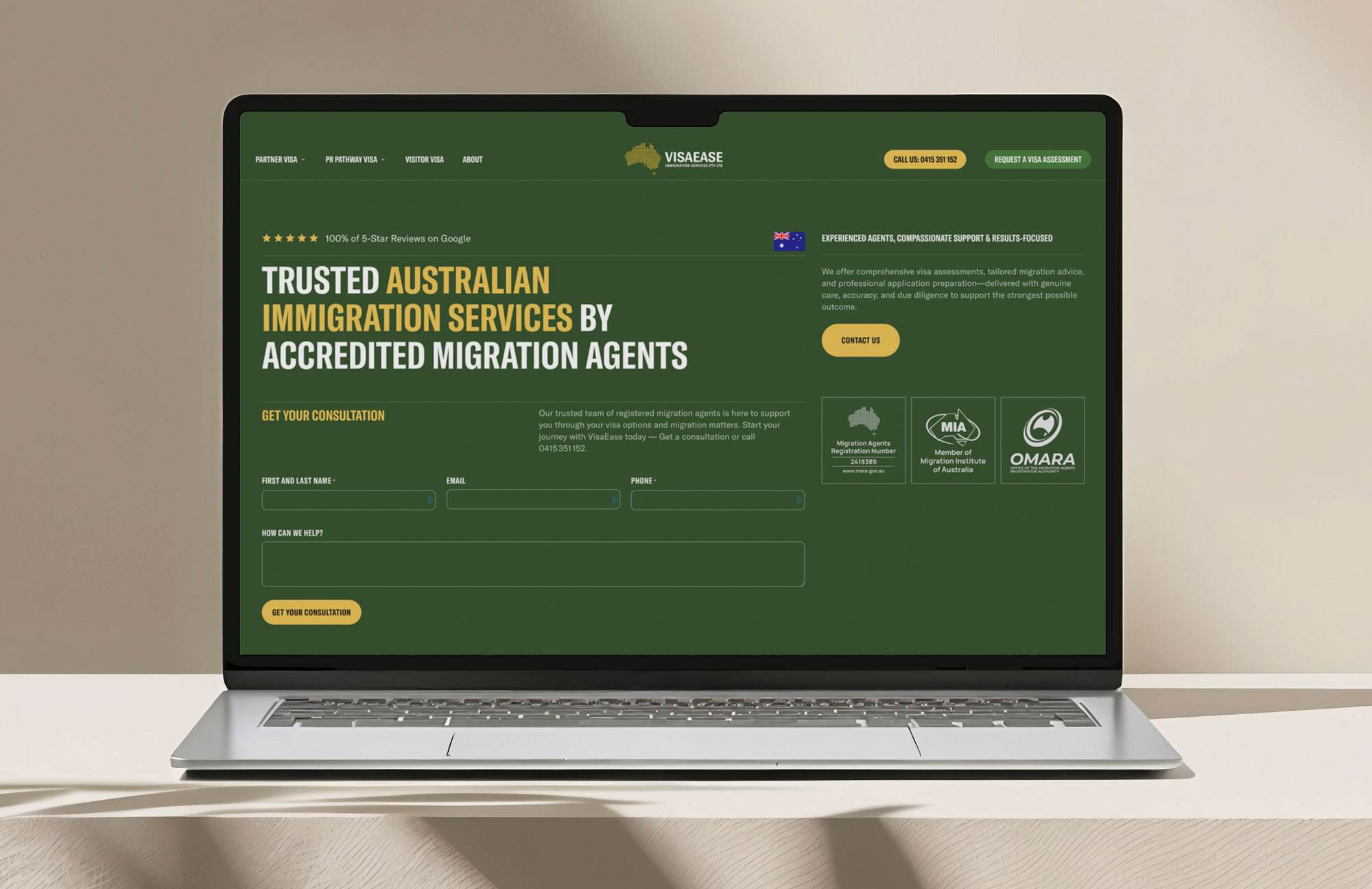
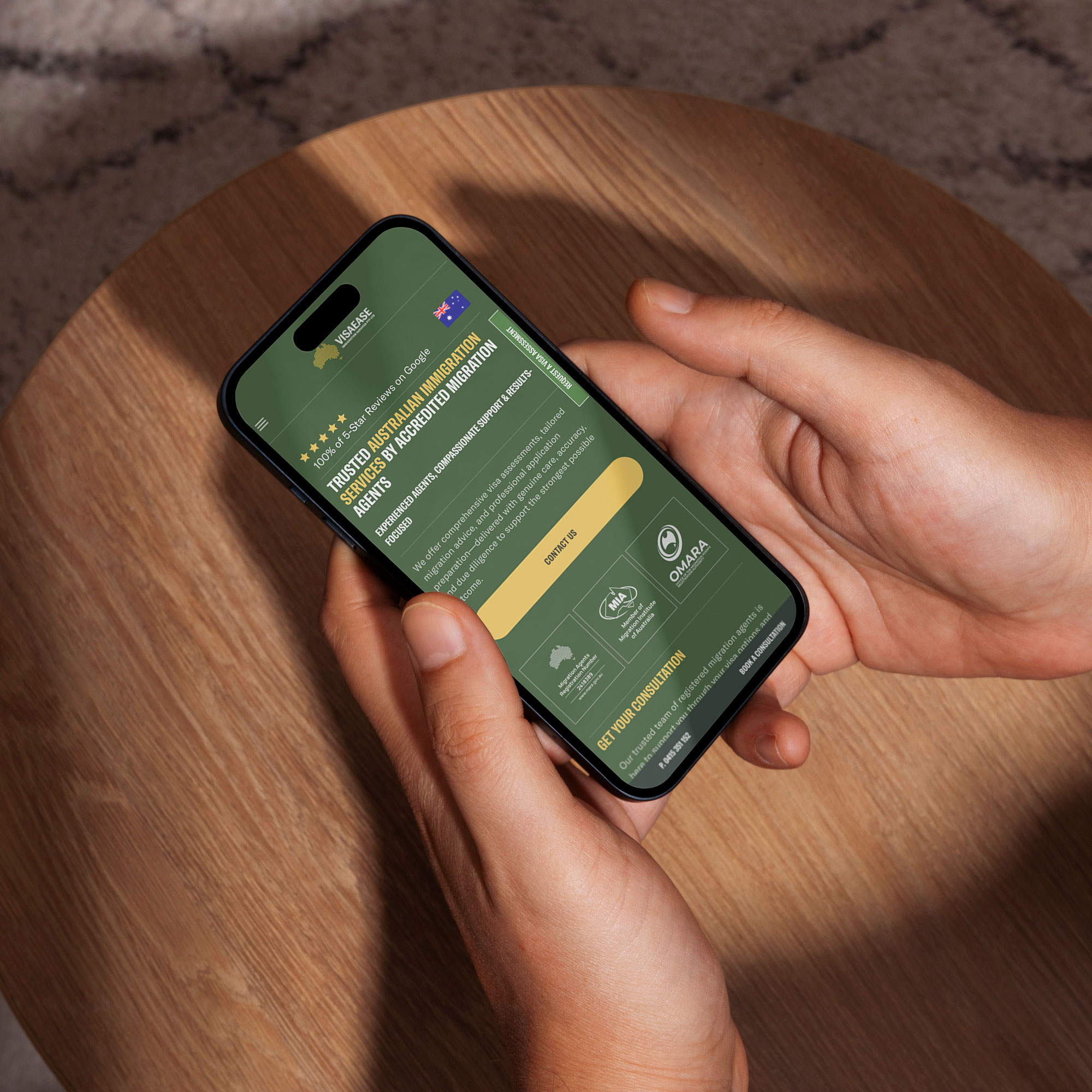
Example of conversion focused landing page Sky Media created for Visa Ease.

A conversion-focused landing page Sky Media designed for Visa Ease.

Speed and Mobile: The Silent Conversion Killers

It’s worth spending a moment on these two because they’re responsible for more lost conversions than most business owners realise.

1. Speed: If your page takes longer than 3 seconds to load on a phone, a large proportion of visitors will leave before seeing anything. This is money you’ve already paid for — gone. Page speed is affected by things like image file sizes, hosting quality, and how your website is built.

2. Mobile: Well over half of all Google searches happen on a phone. If your landing page isn’t designed with mobile as the priority, for example, text is too small, buttons are too close together, layout looks awkward on a small screen, you’re creating friction at exactly the wrong moment.

These aren’t nice-to-haves. In 2026, they’re the baseline.

The Message Match Principle

There’s a simple rule that the best-performing ad campaigns follow: the message in your ad should match the message on your landing page. This sounds obvious, but it’s surprising how often it breaks down in practice.

If your ad says:
“Free Quote — Commercial Cleaning Auckland — Same-Day Response”, then your landing page should immediately reinforce all three of those things: free quote, Auckland, same-day response. If the page talks about your residential services, doesn’t mention Auckland, and has a contact form that says “We’ll be in touch within 3–5 business days”, the message has broken down.

Every step from search to click to page should feel like a continuous, consistent experience. When it does, conversion rates improve significantly.

A Quick Self-Check: Is Your Landing Page Doing Its Job?

Ask yourself these questions about the page your ads are sending traffic to:

  • Does the headline match what my ad promised?
  • Is it immediately obvious what I want the visitor to do?
  • Is my phone number visible and tappable on a phone?
  • Is there at least one trust signal (reviews, rating, credential) above the fold?
  • Does my contact form have fewer than five fields?
  • Does the page load in under three seconds on a phone?
  • Does the page make sense to someone who has never heard of my business?

If you answered “no” or “not sure” to any of these, you’ve likely found where your conversions are leaking.

The Bigger Picture: Ads and Your Website Work Together

Here’s the thing: Google Ads can drive excellent results, but only when the website behind the ads is built to convert.

A well-managed ad campaign sending traffic to a weak landing page is like running a great promotional offer and then having the wrong address on the flyer. The interest is there. The follow-through isn’t.

This is why businesses that invest in both a well-run ads strategy and a properly built website consistently outperform those who only focus on one. The two amplify each other.

For NZ businesses running Google Ads, the fastest way to improve your cost per lead is usually not to spend more on ads, it’s to improve the page those ads send people to.

Not Sure Why Your Clicks Aren’t Converting?

Sky Media works with NZ businesses on both sides of this equation: building high-converting websites and landing pages, and managing Google Ads campaigns that are set up to actually deliver results.

If you’re spending money on ads and not seeing the returns you expected, it’s worth getting a second pair of eyes on both your campaigns and the pages they’re pointing to. Get a free audit of your website today.
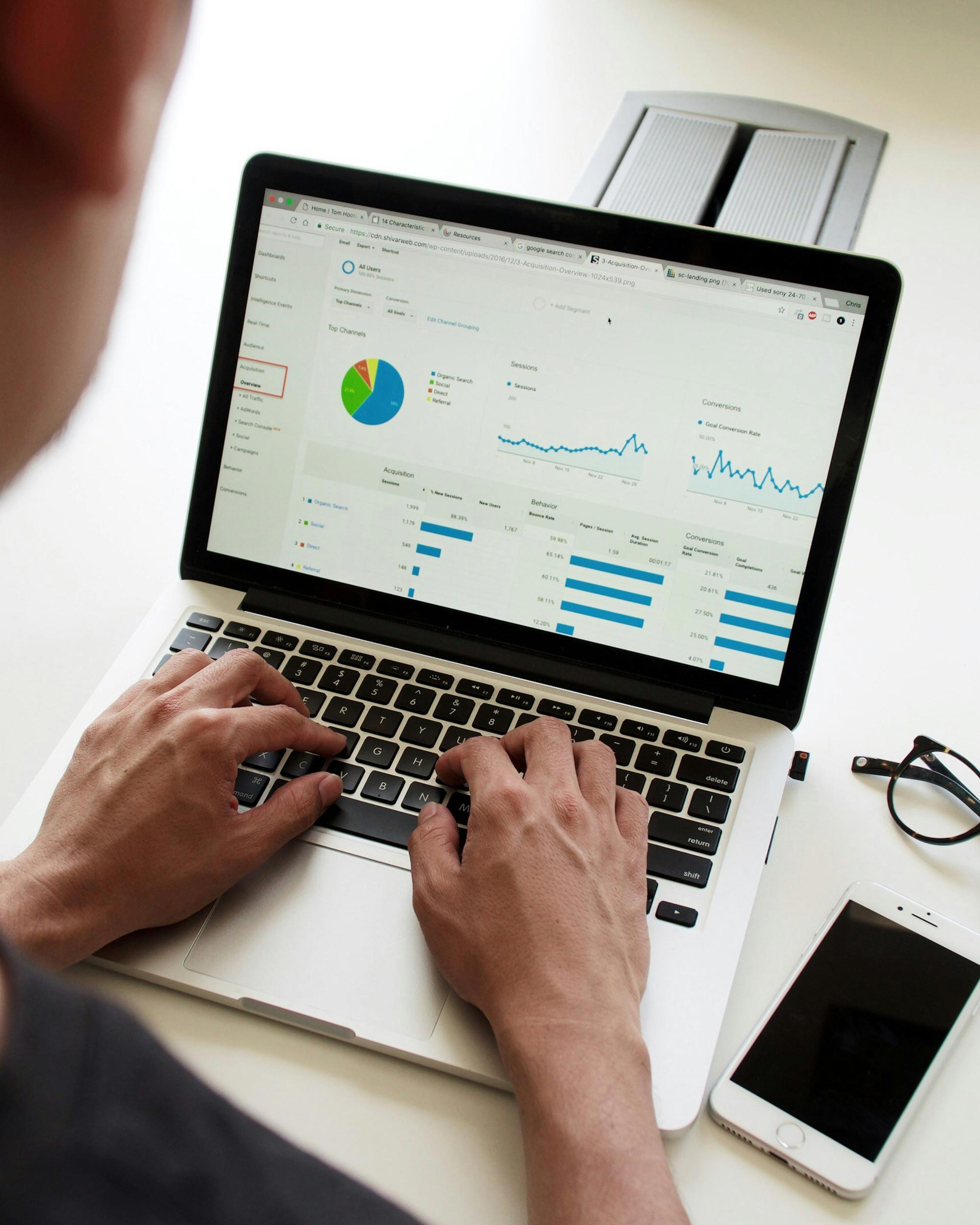
SEO agency team in New Zealand planning digital strategy

SEO vs Google Ads: Which Is Better for New Zealand Businesses?

By Google Ads, SEO

In today’s fast-changing digital landscape, New Zealand businesses are investing more than ever in online visibility. Whether you’re a Christchurch builder, an Auckland law firm, or a nationwide eCommerce retailer, you’ve probably asked yourself: Should we invest in SEO or Google Ads?

SEO agency team in New Zealand planning digital strategy

Both strategies can generate new leads, customers, and growth — but they work in very different ways. As a trusted SEO agency in Auckland and Christchurch, Sky Media has seen countless Kiwi businesses succeed with the right balance of organic and paid campaigns.

This article unpacks the pros and cons of each approach, so you can make an informed choice for your business.

What Is SEO?

Search Engine Optimisation (SEO) is the process of improving your website so it ranks higher in Google’s unpaid, organic results. Instead of paying for each visitor, you invest in making your site easier to find, more relevant, and more trustworthy.

For example, if a homeowner searches for “roof repair Christchurch” or a traveller looks for “boutique hotels Auckland,” businesses with strong SEO strategies show up naturally in the search results — without spending on ads.

Key Benefits of SEO

  • Long-Term Growth: Once rankings are established, you can generate leads consistently.
  • Cost Efficiency: No ongoing cost per click — SEO builds equity over time.
  • Credibility & Trust: Users are more likely to trust businesses that appear at the top of organic results.
  • Local Reach: Optimisation can be tailored to regions and suburbs, making it easier for local clients to find you.

What Is Google Ads?

Google Ads is a paid advertising platform where businesses bid on keywords to appear at the very top of search results. Unlike SEO, you pay for every single click, whether that person becomes a customer or not.

Think of a Christchurch dentist promoting “emergency dental care” or an Auckland retailer advertising “same-day flower delivery.” With Google Ads, they can immediately appear in front of customers searching for those exact services.

Key Benefits of Google Ads

  • Immediate Visibility: Ads can put you at the top of Google within 24 hours.
  • Precise Targeting: Reach people based on location, demographics, or even the device they’re using.
  • Flexible Budgets: Increase spend for more leads, or scale down when things are quiet.
  • Perfect for Campaigns: Great for short-term promotions, new product launches, or seasonal offers.
New Zealand business owner comparing SEO and Google Ads results

SEO vs Google Ads: Cost Considerations

For Kiwi businesses, cost is often the deal-breaker.

  • SEO Costs: SEO requires upfront investment in strategy, technical fixes, and ongoing optimisation. But once you’re ranking well, the long-term cost is significantly lower. For example, a Christchurch plumbing company may rank organically for “blocked drain repairs” and continue receiving calls month after month, even without spending extra.
  • Google Ads Costs: With Ads, you’re always paying. Highly competitive terms like “lawyer Auckland” or “wedding venues Christchurch” can cost tens of dollars per click. The leads can be immediate, but budgets get drained quickly without smart campaign management.

Which Delivers Better Results?

SEO Works Best When:

  • You want sustainable growth and ongoing visibility.
  • Your industry relies on consistent inquiries (law firms, trades, healthcare, or local services).
  • Building brand authority is part of your long-term goal.

Google Ads Works Best When:

  • You need instant traffic and can’t wait months for results.
  • Your business runs seasonal or time-sensitive campaigns (tourism operators, retail sales, event promotions).
  • You’re testing new services or products and need quick market feedback.

SEO and Google Ads Together: The Hybrid Strategy

It’s not always a choice of one or the other. Many New Zealand businesses get the strongest results by combining both.

For instance:

  • A Christchurch physiotherapy clinic could use Google Ads to target “sports injury treatment” immediately, while their SEO builds long-term rankings for broader terms like “physiotherapy Christchurch.”
  • An Auckland eCommerce store might run Ads for “gift hampers NZ” during the holiday season, while SEO secures organic traffic for year-round keywords like “online gift delivery.”

Together, SEO and Google Ads can cover short-term needs and long-term growth — giving you both immediate visibility and sustainable results.

How to Decide for Your Business

When weighing SEO against Google Ads, ask yourself:

  1. Do I need results tomorrow, or am I building for the long haul?
  2. How much can I realistically budget for ongoing campaigns?
  3. Is my goal brand authority, short-term sales, or both?

If your business is service-based, like a Christchurch tradie or an Auckland law firm, SEO often provides the best return on investment over time. But if you’re launching a new product or need leads fast, Google Ads can be the smarter first step.

Why Partner With a Local SEO Agency?

The New Zealand market is unique — what works for a business in Sydney or New York won’t always work here. Sky Media is a local agency that understands Kiwi industries and customer behaviour.

We help:

  • Auckland service providers dominate search results for their local market.
  • Christchurch businesses attract new clients with Google-compliant SEO.
  • Nationwide eCommerce stores blend SEO and Ads to maximise revenue.

Most importantly, we provide transparent reporting and clear deliverables so you always know what’s working and where your investment is going.

Final Thoughts

The truth is, there’s no one-size-fits-all answer to SEO vs Google Ads.

  • Google Ads is brilliant for instant visibility and short-term campaigns.
  • SEO builds sustainable growth and long-term authority.
  • The smartest approach for many New Zealand businesses is a hybrid strategy, leveraging both at different stages of growth.

Our SEO results highlight how businesses across New Zealand — from Christchurch trades to Auckland retailers and nationwide eCommerce brands — have grown their traffic, leads, and revenue through tailored SEO strategies.

At Sky Media, we specialise in helping Kiwi businesses choose the right mix of SEO and Google Ads to maximise their ROI. Whether you’re in Christchurch, Auckland, or anywhere in between, we’ll create a digital strategy designed to get results.

How Do Google Ads Work?

By Google Ads

Google Ads is a pay per click (PPC) advertising solution that offers an extremely effective way of driving relevant qualified traffic to your website, when people are searching Google for the types of products, or services your business offers.

Maybe you plan to run a promotion, or perhaps you just need a quick injection of sales? A Google Ads Campaign is the fastest way to get your website listed on the 1st Page of Google for the Keywords of your choice e.g ‘Painter Blenheim,’ ‘Botox Christchurch,’ or ‘Car yards Auckland.’

Google Ad’s pay-per-click (PPC) setup is like a bidding system, where companies bid to have their ads shown to the relevant audience. Like all bidding systems, those with the highest bid win. As a result, each time your ad is clicked on, Google charges a small fee. Click fees range from $1 – $15 per click, depending on your industry and location.

Sky Media’s Google Experts will begin by creating a list of Keywords that are relevant to the products and services you want to promote and sell. Keyword examples for a builder in Nelson could be: ‘New Homes Nelson’, ‘New Builds Nelson’, ‘Builder Nelson’, ‘Commercial Builder Nelson.’

Our copywriters will create a short eye-catching Google Ad that will capture your ideal client’s attention immediately. We’ll then confirm your Google click budget, the locations you want to target, and the days of the week that suit you. $20 – $30 per day is a good start.

Once your campaign is live, Google will send the people who search for what you’ve got to your Google Ad. Visitors will find your ad and a link to your website up in the paid ad section at the top of Google’s 1st Page.

Once you’re on Google’s 1st Page, you’ll notice more clicks to your website and an increase enquiries. Get ready to answer the phone, or emails, or to witness an increase in sales.

Once your Google budget is used up for the day, your ad will be taken down and replaced by other businesses targeting the same market. Not to worry, you’ll reappear the next morning when your budget’s refreshed.
Our Google Technicians will optimise your campaign every day, so the cost per click (CPC) will become cheaper over time, which means you’ll receive more website traffic for less.

Sky Media’s down-to-earth team run 100% transparent Google Ad Campaigns, so you’ll see exactly how much of your budget is going to Google every day. Total budget transparency is a key point of difference with our campaigns.
If at any stage you need to discuss, or adjust your campaign, your dedicated Google Account Manager will be happy to assist.

The Difference Between Google Ads and SEO

Google Ads are rapid, they’re the fastest way to get your website on Google’s 1st Page (we’re talking a matter of days), but they’re PPC, which means you’ll pay for every click to your site. On the other hand, SEO (Search Engine Optimisation) takes 30 days to generate movement, and at least 90 days to generate results, so it’s comparatively slower. Still, once you reach that landing strip on Page 1, all of the clicks with SEO are free! So, which one will it be?

Well, it depends whether you want immediate clicks, or long-term clicks. What we can say is that it’s no surprise to us that all of our top-performing clients have opted for our Supercharged SEO and Google Ads Combo. Yes, that’s right, they did both! They chose immediate website visits and clicks with Google Ads, as well as consistent web traffic for the long-haul with SEO. As a result, they’ve all benefited from impressive growth.

If you’d like to have a free Discovery Discussion with one of our Google Experts, we can explore the potential benefits for your business. If you’re interested, we’ll identify your business goals, and suggest an affordable Google strategy that’s designed to get results. Just call 0800113772 to book your complimentary Discovery Discussion today.